
Medical review required: Have a licensed clinician verify current FDA status of exosome products and all clinical statements before publishing.
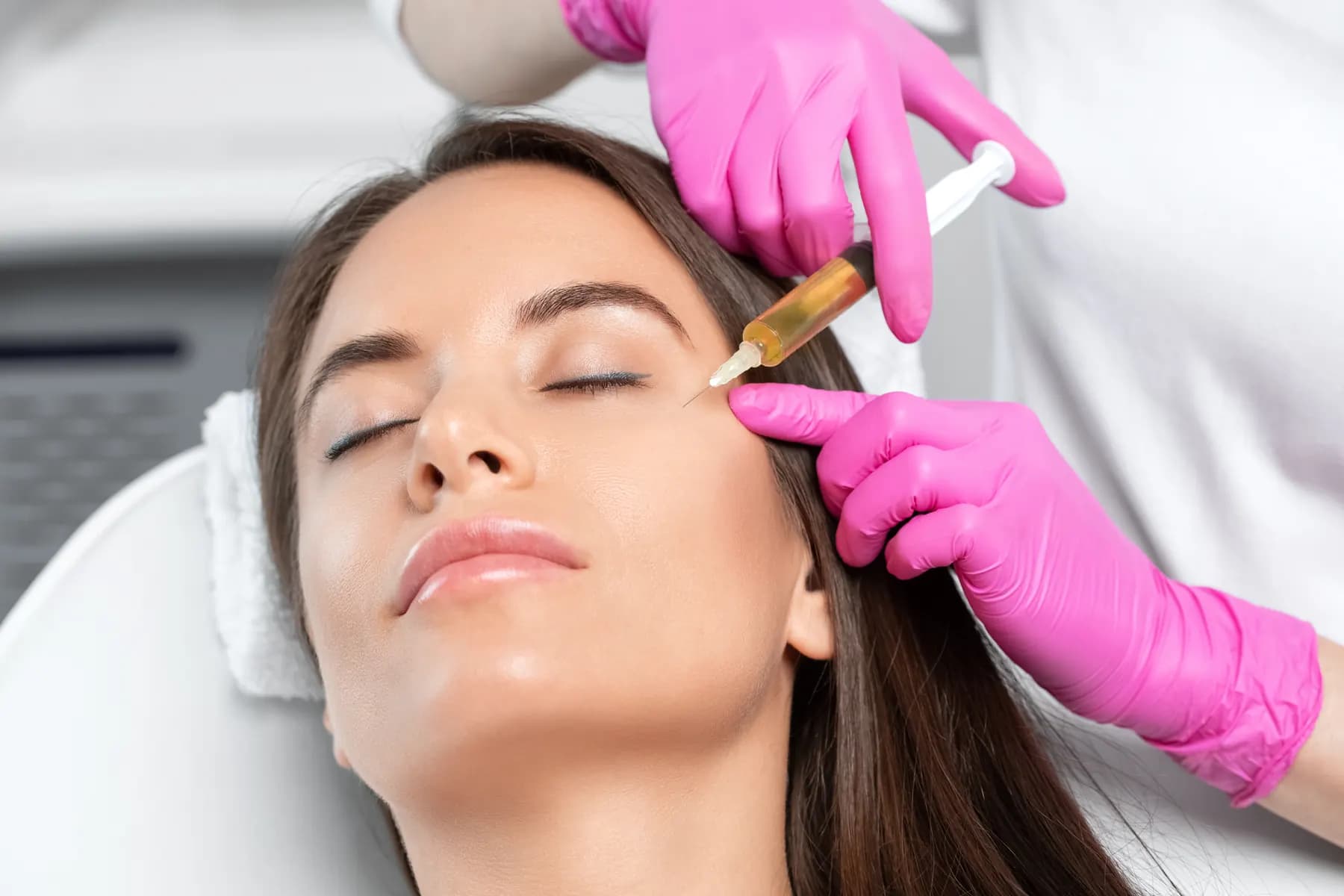
If you have been searching for a PRP facial near me, you probably want to know what these treatments involve, what the evidence shows, and what they cost. Platelet-rich plasma (PRP) and platelet-rich fibrin (PRF) are made from a small sample of your own blood, which is spun to concentrate platelets. Providers apply or inject them during treatments such as microneedling facials or scalp sessions. PRP is not FDA-approved for skin rejuvenation or hair loss, and research on these uses is still developing. Medspa Maps lets you compare providers near you by treatment, who performs it, session plans, and listed prices, so you can ask informed questions before you book.
PRP vs PRF: What's the Difference?
PRP and PRF both come from your own blood; the main difference is how they are processed. PRP is spun at a higher speed, usually with an anticoagulant added so it stays liquid. PRF is spun more slowly without an anticoagulant, so it forms a gel-like fibrin network that holds platelets and white blood cells. Some researchers think PRF releases growth factors over a longer time, but evidence comparing the two in aesthetic treatments is still emerging. If you are searching for PRF near me, ask the provider how they prepare it and why they recommend it over PRP for your goal.
EZ Gel and PRF Fillers Explained
EZ Gel is a heated plasma gel that some providers inject as a "natural" alternative to dermal filler. It is made by heating part of your own plasma until it thickens into a gel, sometimes mixed with liquid PRF. EZ Gel is not an FDA-approved dermal filler, and published evidence on how well it works and how long it lasts is limited. Results can be subtler and shorter-lived than FDA-approved hyaluronic acid fillers. Ask your provider how many patients they have treated with EZ Gel and what results they have seen.
PDGF and Growth Factor Serums
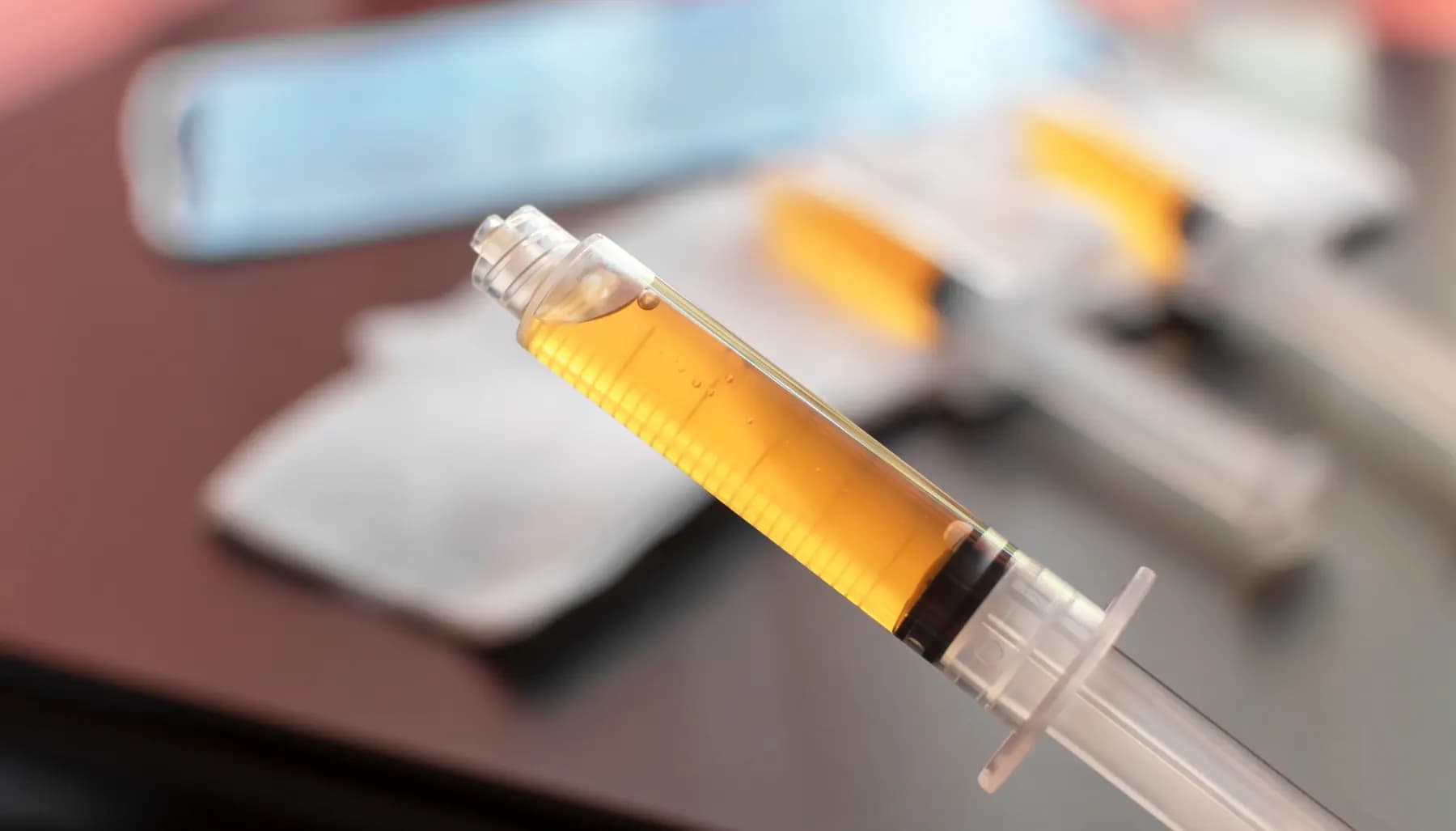
PDGF stands for platelet-derived growth factor, a protein found in platelets. Some providers apply PDGF or other growth factor serums to the skin, often after microneedling. These serums are sold as cosmetic skin care products, not as FDA-approved drugs, so claims about what they do have not been reviewed by the FDA. Some people use them to support skin that looks smoother and more hydrated. Ask what product your provider uses, what it contains, and what evidence supports it.
Exosome Treatments: What You Should Know
The FDA states that there are currently no FDA-approved exosome products. Exosomes are tiny particles released by cells, and some clinics offer them for skin or hair treatments. The FDA regulates exosome products used in people as drugs and biologics, which require FDA review before marketing. It has reported serious adverse events in patients treated with unapproved exosome products and has issued warning letters to companies selling them. If a provider offers exosomes, ask what the product is, where it comes from, and whether it is FDA-approved. Be cautious of any claim that exosomes can treat or cure a condition.
PRP Cost and Session Plans
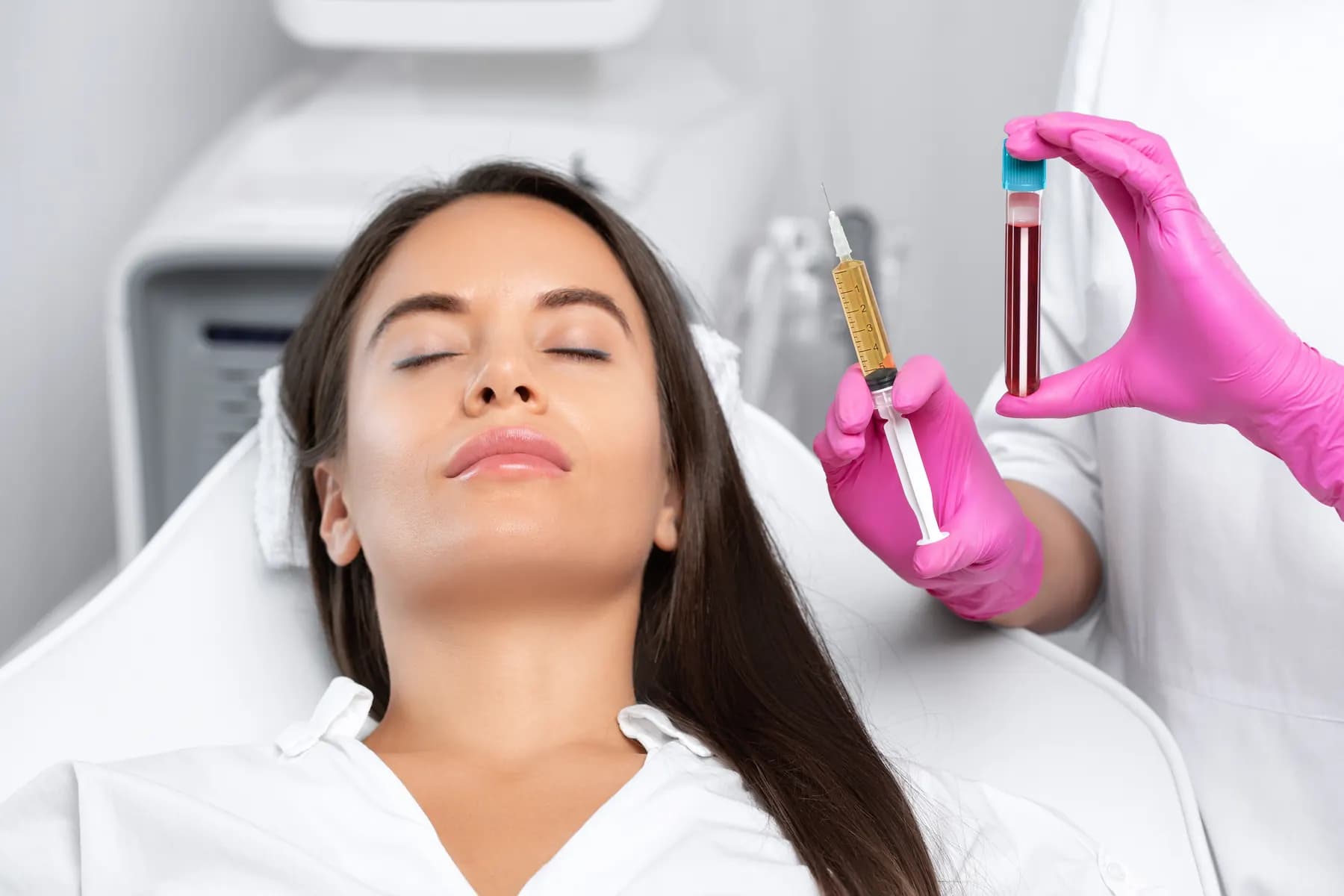
The American Society of Plastic Surgeons reports a national average fee of $755 for PRP treatment in 2023. Prices on individual listings vary by location, the area treated, and what is combined with PRP. Cost factors include:
- Treatment type: A PRP facial with microneedling, PRP hair restoration, and PRF injections are priced differently.
- Number of sessions: Many plans use a series of sessions, which adds to the total.
- Add-ons: Microneedling, EZ Gel, or growth factor serums increase the price.
- Packages: Some providers offer lower per-session prices when you book a series.
Many PRP hair restoration plans start with three to four sessions spaced about a month apart, followed by maintenance. Ask for the full plan cost, not only the price of one session. PRP is considered cosmetic, so insurance usually does not cover it.
Clear information makes these treatments easier to compare. Review providers near you, ask how they prepare each treatment and what it costs, and book a consultation with the one who answers your questions openly.
Compare PRP and PRF Providers Near YouFrequently asked questions
Is PRP made from my own blood?
Yes, PRP is made from a small sample of your own blood. A provider draws the blood, spins it in a centrifuge to separate and concentrate the platelets, then uses that portion in your treatment. Because it comes from your body, the risk of an allergic reaction is low. Bruising or tenderness at the draw or treatment site can occur.
PRP vs PRF: which gives longer-lasting results?
There is no clear answer yet, because research comparing PRP and PRF is limited. Some studies suggest PRF releases growth factors over a longer period, but that has not been proven to mean longer-lasting results. How long results last depends on your treatment, your skin, and your plan. Ask your provider what evidence supports their recommendation.
Are exosome treatments FDA-approved?
No, the FDA says there are currently no FDA-approved exosome products. The FDA has reported serious adverse events with unapproved exosome products and has warned companies selling them. Exosome products should not be marketed as treating or curing conditions. Ask any provider offering exosomes exactly what product they use and its regulatory status.
How many PRP sessions do I need?
Many people have a series of three to four PRP sessions about a month apart. Facial and hair plans differ, and maintenance sessions are often recommended afterward. The right number depends on your goals and how your skin or scalp responds. Your provider should give you a written plan with the total number of sessions and cost.
Is PRP effective for hair thinning?
Some studies show PRP may help certain types of hair thinning, but results are mixed. PRP is not FDA-approved for hair loss, and it may work better for some people than others. A dermatologist can check the cause of your thinning and explain whether PRP or an FDA-approved treatment is a better fit.
Compare PRP and PRF Providers near you
Search Medspa Maps to find and compare licensed practices, read real patient reviews, and book directly with the provider.