
At a glance
- Microneedling uses fine needles to create controlled micro-injuries that trigger collagen production and skin renewal.
- It can improve texture, fine lines, acne scars, large pores, and overall tone.
- Most people need a series of about 3 to 6 sessions for the best results, which build gradually.
- Downtime is minimal, usually a day or two of redness like a mild sunburn.
- RF microneedling adds radiofrequency heat for extra skin tightening.
- Use Medspa Maps to find and compare microneedling providers near you.
What is microneedling?
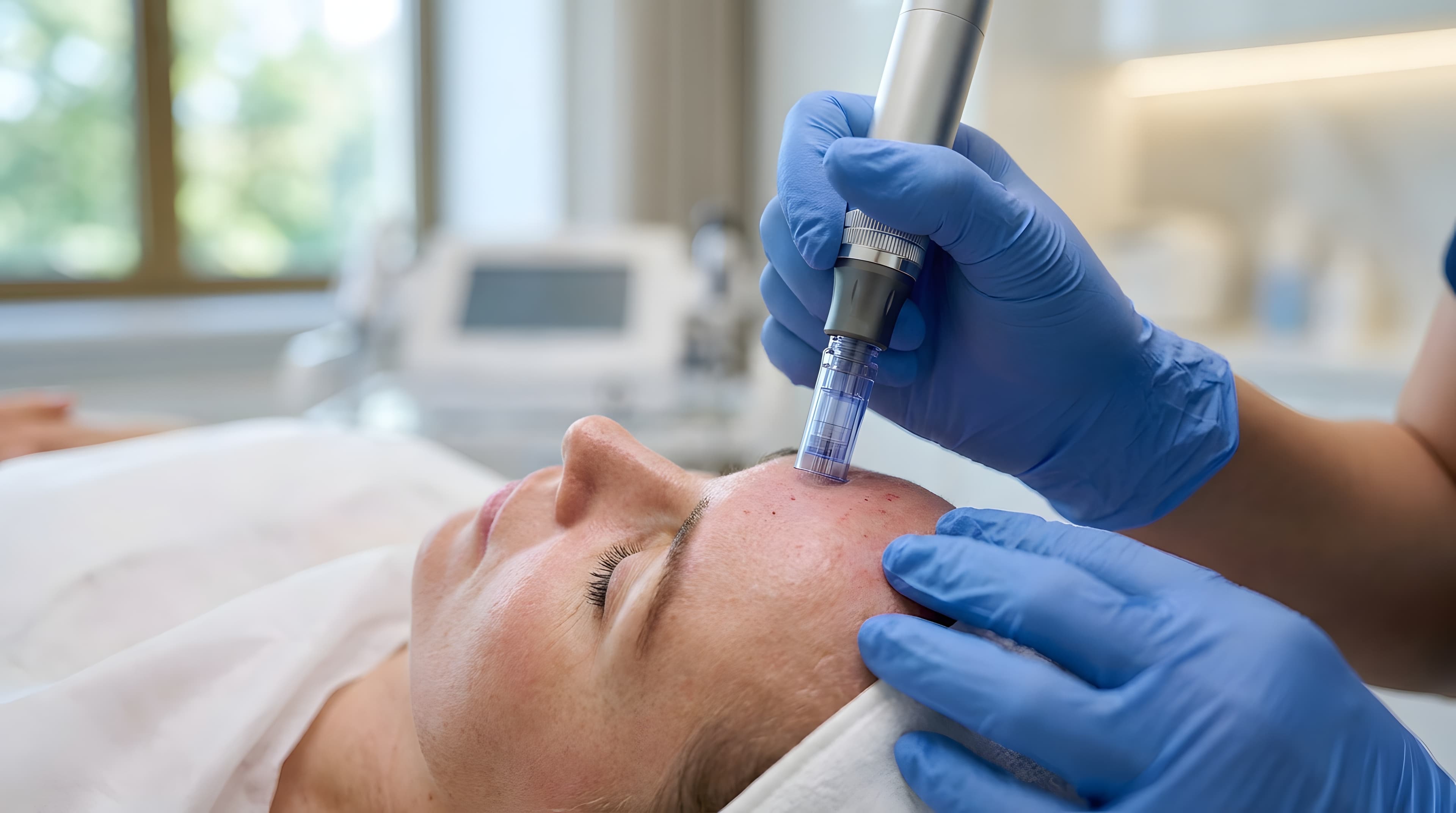
Microneedling is a minimally invasive treatment that uses a device with fine needles to create tiny, controlled micro-injuries in the skin. This prompts the body's natural healing response, boosting collagen and elastin to renew the skin over time.
It is sometimes called collagen induction therapy and is used on the face and body to improve texture and tone. Because results depend on your skin building new collagen, they develop gradually across a series of sessions.
Microneedling creates controlled micro-injuries that trigger the skin's natural collagen production, gradually improving texture, scars, and tone over a series of treatments.
What does microneedling treat?
Microneedling is most often used for uneven texture, acne scars, fine lines, enlarged pores, and dull or uneven tone. It is also used to help skincare ingredients absorb more effectively.
- Acne scars and texture: one of its most popular and well-supported uses.
- Fine lines and early aging: by stimulating fresh collagen.
- Large pores and dullness: improving smoothness and glow.
- Uneven tone: often paired with brightening serums or PRP.
Microneedling vs. RF microneedling: what's the difference?
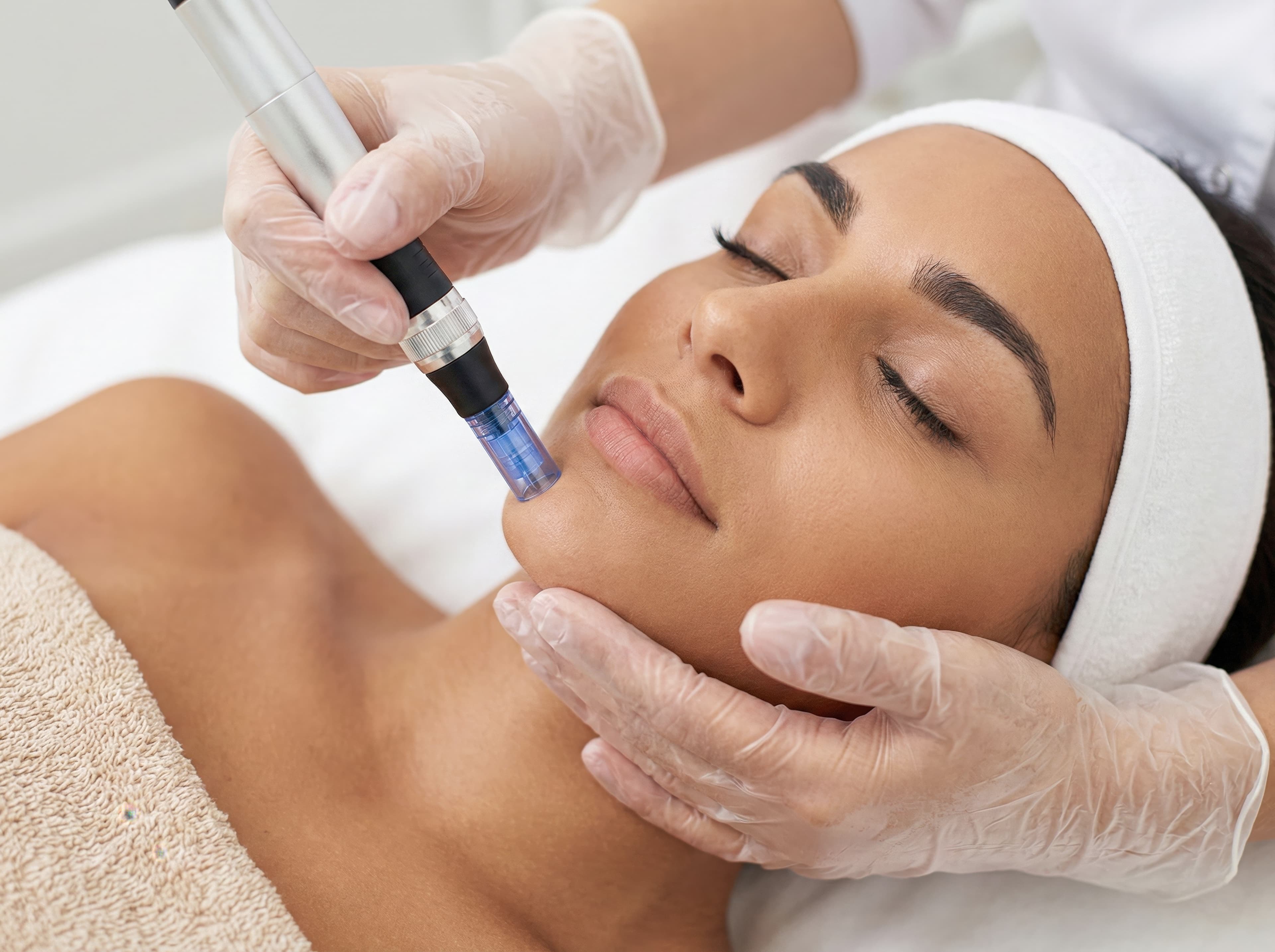
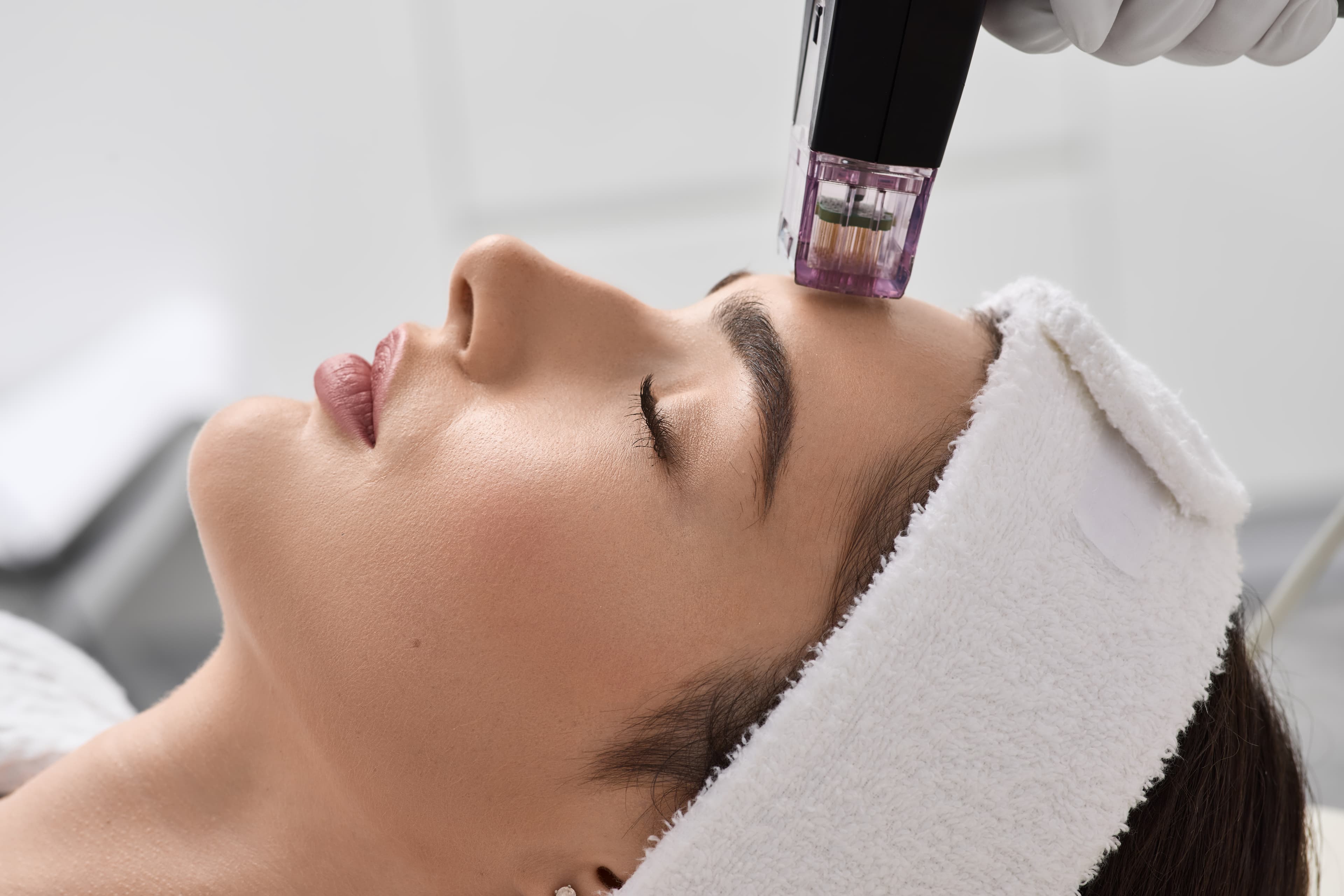
Standard microneedling relies on micro-injuries alone, while RF (radiofrequency) microneedling delivers heat energy through the needles to reach deeper layers. That added heat can improve skin tightening and is often chosen for laxity as well as texture.
RF microneedling tends to cost more than traditional microneedling and may involve slightly more downtime, but it can do more for sagging skin. A provider can help you decide which fits your goals.
What to expect: sessions, downtime, and results
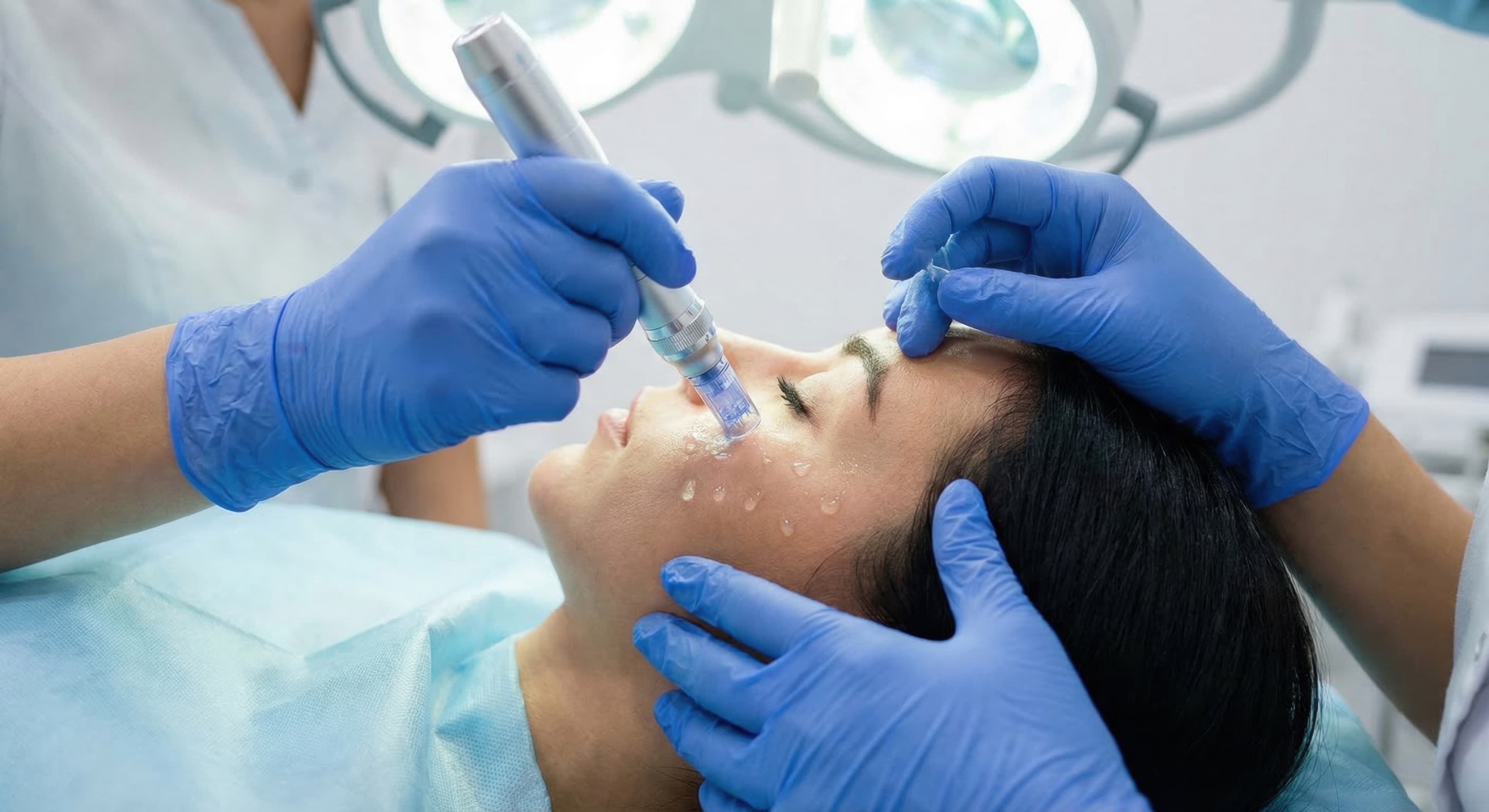
A microneedling session usually takes about 30 to 60 minutes after numbing, with a day or two of redness afterward. Most people need a series of three to six sessions spaced a few weeks apart, and results build over the following months as collagen develops.
- Expect redness and mild sensitivity for a day or two, similar to a sunburn.
- Avoid sun exposure and wear SPF while your skin heals.
- Follow your provider's aftercare, including gentle skincare for a few days.
- Plan a series rather than expecting results from a single session.
Is microneedling safe?
Professional microneedling is generally safe for most skin types when performed by a trained provider, and it is often considered a good option across a range of skin tones. Side effects are usually limited to temporary redness and sensitivity.
Safety and results depend heavily on technique, device quality, and hygiene, which is why professional treatment is very different from at-home rolling. A provider will confirm whether you are a good candidate.
What to look for in a provider
Look for a licensed skincare or medical professional who uses a professional-grade device, follows strict hygiene, and can explain a realistic treatment plan for your skin.
- Qualified provider: a licensed esthetician, nurse, or medical professional trained on the device.
- Professional equipment: a medical-grade device, not a consumer roller.
- A clear plan: they recommend a session count and spacing based on your goals.
- Skin-type experience: especially important for deeper skin tones.
- Reviews: credible feedback and consistent results.
Looking for a Microneedling provider?
Find microneedling providers near youFrequently asked questions
What does microneedling do?
Microneedling creates tiny controlled micro-injuries in the skin that trigger the body's natural healing and collagen production. Over a series of treatments, this can improve skin texture, fine lines, acne scars, large pores, and overall tone.
Does microneedling really work?
For many people, yes. Microneedling is a well-established treatment for texture, acne scars, and early signs of aging, though results build gradually over a series of sessions and vary from person to person.
How many microneedling sessions will I need?
Most people need a series of about three to six sessions spaced a few weeks apart, depending on their skin and goals. Your provider will recommend a plan during a consultation.
Is microneedling painful?
A numbing cream is usually applied first, so most people feel only mild pressure or a scratchy sensation. Some redness afterward, similar to a mild sunburn, is normal for a day or two.
What is the difference between microneedling and RF microneedling?
RF (radiofrequency) microneedling adds heat energy through the needles to reach deeper layers of skin, which can enhance skin tightening. Standard microneedling relies on the micro-injuries alone. A provider can help you decide which suits your goals.
How much does microneedling cost?
Costs vary by the type of microneedling, the provider, and your location, and most people need a series rather than a single session. A consultation gives you an accurate estimate.
Find microneedling providers near you
Search Medspa Maps to find and compare licensed practices, read real patient reviews, and book directly with the provider.