
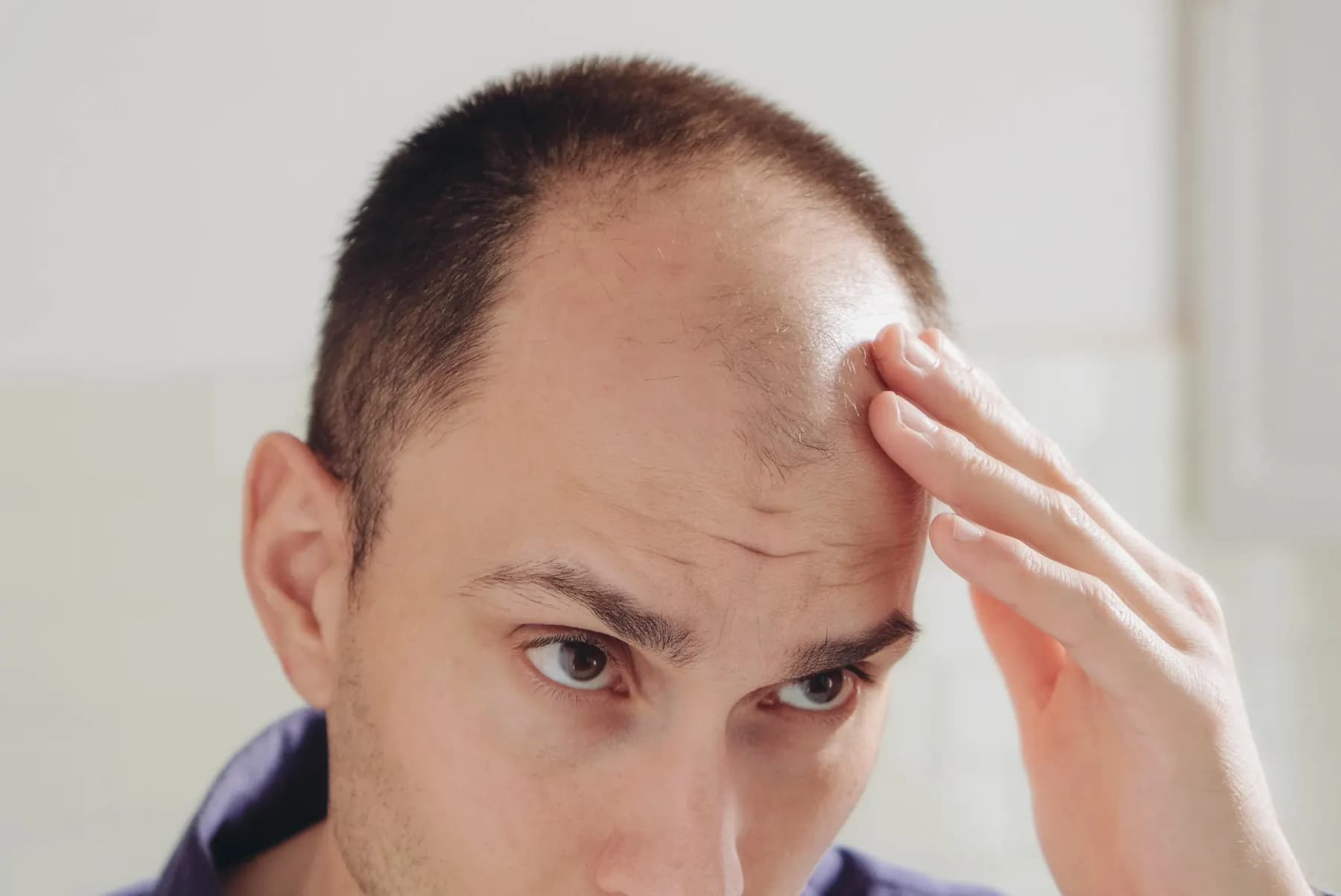
Thinning hair or a widening part can affect how you feel every time you look in the mirror, and the right treatment depends on what is causing it. Hair loss has many causes, from genetics to hormones to medical conditions, so an evaluation comes before any treatment plan. If you have been searching for a hair loss doctor near me, Medspa Maps lets you compare dermatologists, hair restoration specialists, and clinics in one place. You can review each provider's credentials, the treatments they offer, consultation options, and listed prices. Options range from FDA-approved medications to procedures such as hair transplants, and treatment often works better when it starts early.
Find a Hair Loss Specialist Near You
Medspa Maps helps you find a hair loss specialist by showing local providers, their specialties, and the treatments they offer side by side. Search by city or ZIP code, then narrow results by treatment type, provider credentials, and whether the practice focuses on male or female hair loss. Listing details are shown as provided by each practice, so confirm credentials and pricing at your consultation.
Compare Hair Restoration Providers
Hair restoration providers differ in training, so compare who will evaluate and treat you. Dermatologists diagnose and treat hair and scalp conditions, including medical causes of hair loss. Hair transplant doctors perform surgical restoration. Other clinics may focus on non-surgical options. On each listing, look at credentials, treatments offered, consultation availability, and patient reviews.
Find Providers by Treatment, Location and Specialty
Filters let you narrow results to the care you need. You can search for a hair restoration clinic near me that offers medical treatment, PRP, or hair transplantation, or look for an alopecia treatment specialist if you have patchy hair loss. Filtering by specialty helps you reach a provider who can diagnose the cause before recommending a treatment.
What Causes Hair Loss and Thinning?
Hair loss is most often caused by genetics, but hormones, illness, stress, medications, nutrition, and hairstyles can also play a part. Some causes are temporary, such as shedding after childbirth, surgery, or a high fever. Others, like pattern hair loss, tend to progress over time. Because the cause shapes the treatment, a licensed clinician may review your history, examine your scalp and, in some cases, order blood tests or a scalp biopsy.
Male Pattern Hair Loss
Male pattern hair loss, also called male pattern baldness, is a common inherited condition. It usually starts with a receding hairline or thinning at the crown and can progress over years. Hormones called androgens shrink the affected hair follicles over time. Male pattern baldness treatment works best at slowing or reversing thinning when it starts early, before follicles stop producing hair.
Female Hair Loss and Thinning
Female pattern hair loss usually shows up as overall thinning on the top of the scalp or a widening part, while the front hairline often stays in place. Hormonal shifts, including those around pregnancy and menopause, thyroid conditions, and iron deficiency can also contribute. Female hair loss treatment often starts with identifying these factors, since some can be treated directly.
Alopecia and Other Types of Hair Loss
Alopecia areata is an autoimmune condition that causes round patches of hair loss, and in some people, more extensive loss. Other types include telogen effluvium (sudden shedding after stress or illness), traction alopecia from tight hairstyles, and scarring alopecias that can permanently damage follicles. Patchy, sudden, or painful hair loss should be evaluated by a dermatologist or alopecia treatment specialist.
Hair Loss Treatment Options
Hair loss treatment options include FDA-approved medications, procedures like hair transplants, and non-surgical therapies; the right choice depends on the cause and how far the thinning has progressed. Many people combine approaches. Results take time, often several months, and most treatments need to be continued to maintain them.
Medical Treatments for Hair Loss
Medical treatments are often the first step. Topical minoxidil, such as Rogaine®, is FDA-approved and available without a prescription for pattern hair loss. Oral finasteride is a prescription medication FDA-approved for male pattern hair loss. For severe alopecia areata, the FDA has approved several JAK inhibitor medications: baricitinib, ritlecitinib, and deuruxolitinib. A licensed prescriber can explain the benefits, side effects, and who should not use each one.
PRP Hair Restoration
PRP for hair loss uses platelet-rich plasma drawn from your own blood and injected into the scalp. PRP is not FDA-approved as a hair loss treatment, and studies on how well it works are mixed. Some providers offer it alongside medications. If you are considering PRP, ask how the provider prepares it, how many sessions they recommend, and what results their patients typically see.
Hair Transplant Procedures
A hair transplant is a surgical procedure that moves hair follicles from a fuller area of the scalp, usually the back, to thinning areas. The two main techniques are follicular unit transplantation, which removes a strip of scalp, and follicular unit extraction, which removes individual follicles. A hair transplant doctor will assess whether you have enough donor hair. Transplanted hair grows gradually over many months.
Non-Surgical Hair Restoration
Non-surgical hair restoration includes options such as low-level laser therapy and microneedling. Some low-level laser devices, sold as caps, helmets, or combs, are FDA-cleared for certain types of hair loss. These treatments may help some people as part of a broader hair regrowth treatment plan. Ask your provider which non-surgical options are supported by evidence for your type of hair loss.

How Much Does Hair Loss Treatment Cost?
Hair loss treatment cost ranges from a modest monthly expense for medications to several thousand dollars for a hair transplant. The American Society of Plastic Surgeons reports a national average physician fee of $755 per PRP treatment in 2023, and PRP is usually given as a series. ASPS does not publish an average fee for hair transplants. Costs depend on:
- Treatment type: Medications cost less than procedures.
- Number of sessions: PRP and laser therapy are usually repeated.
- Size of the area: Hair transplant pricing often depends on the number of grafts.
- Location and provider: Fees vary by city and provider experience. Surgical fees may not include anesthesia, facility, or other costs.
- Insurance: Cosmetic hair restoration is usually not covered. Evaluation of a medical cause, such as alopecia areata, may be covered.
How to Choose a Hair Loss Specialist
The right hair loss specialist starts by finding out why you are losing hair before recommending treatment. When comparing providers, look for:
- A licensed medical professional, such as a dermatologist, who can diagnose the cause
- Experience with your type of hair loss, whether pattern, patchy, or sudden shedding
- A range of options rather than a single treatment for everyone
- Clear information about which treatments are FDA-approved and which are not
- Honest expectations about timelines and results

Questions to Ask Before Starting Hair Restoration Treatment
Asking a few questions up front helps you understand your options and what to expect. Bring these to your consultation:
- What is causing my hair loss, and do I need any tests?
- Which treatments do you recommend for me, and why?
- Are these treatments FDA-approved for my type of hair loss?
- How long before I may see results, and what happens if I stop treatment?
- What are the side effects and risks?
- What is the total cost, including follow-up sessions?
The right plan starts with understanding why your hair is thinning. Compare hair loss specialists near you, book a consultation, and get a treatment plan built around your goals and your hair.
Find Hair Loss Specialists Near YouFrequently asked questions
What kind of doctor treats hair loss?
A dermatologist is often a good first stop for hair loss. Dermatologists diagnose and treat hair and scalp conditions, including medical causes like alopecia areata or thyroid-related shedding. For surgical hair restoration, you may see a hair transplant surgeon or a hair restoration specialist. Some people also see their primary care doctor first for blood tests.
Can thinning hair grow back?
Thinning hair can sometimes regrow, depending on the cause and how early treatment starts. Temporary shedding often improves on its own. With hair thinning treatment such as minoxidil or finasteride, pattern hair loss may slow or partly reverse. Follicles that have stopped producing hair for a long time are less likely to respond.
Does PRP work for hair loss?
PRP may help some people, but evidence is mixed, and it is not FDA-approved for hair loss. Results vary between studies and patients, and most protocols involve several sessions followed by maintenance. Ask your provider about the evidence, the expected number of sessions, and how they measure progress.
How much does a hair transplant cost?
Hair transplant costs vary widely, often depending on how many grafts you need. There is no ASPS national average for this procedure. Price also depends on the technique, the surgeon's experience, and your location. Ask each provider for a written estimate that lists all fees.
What is the best female hair loss treatment?
There is no single best option for everyone; treatment depends on the cause. Topical minoxidil is FDA-approved for female pattern hair loss. If thinning is linked to iron deficiency, thyroid problems or hormones, treating that cause may help. A dermatologist can recommend a plan after an evaluation.
How long does hair loss treatment take to work?
Most hair loss treatments take at least three to six months to show results. Hair grows slowly, and some medications can cause temporary shedding before improvement. Many people need a year to judge how well a treatment works, and stopping treatment may reverse gains.
Find Hair Loss Specialists near you
Search Medspa Maps to find and compare licensed practices, read real patient reviews, and book directly with the provider.