

Acne scars can stay long after breakouts clear, and the right treatment depends on the type of scar you have. Ice pick, boxcar, and rolling scars each respond to different approaches, and raised scars need their own care. If you have been searching for scar treatment near me, Medspa Maps lets you compare dermatologists and scar treatment providers by procedure, specialty, and experience with your skin tone. Acne scar treatment can soften scars and improve texture, though it rarely removes scars completely. Most people need a series of sessions or a combination of treatments. An acne scar specialist can assess your scars and build a realistic plan.
Find an Acne Scar or Scar Revision Specialist Near You
Medspa Maps helps you find an acne scar or scar revision specialist by showing local providers, their specialties, and the procedures they offer. Listings show information as provided by each practice, including consultation options, listed prices, and patient reviews.
Compare Dermatologists and Scar Treatment Providers
Dermatologists, plastic surgeons, and aesthetic providers all treat scars, and their training and tools differ. Compare each provider's credentials, the scar types they treat, and their experience with your skin tone. Surgical scar revision is usually performed by a dermatologic or plastic surgeon.
Browse Providers by Procedure and Location
You can browse providers by procedure, such as acne scar laser treatment, microneedling for acne scars, chemical peels, or subcision, and by city or ZIP code. Filtering by procedure helps you find practices that offer the combination of treatments your scars may need.
Types of Acne Scars and Other Scars
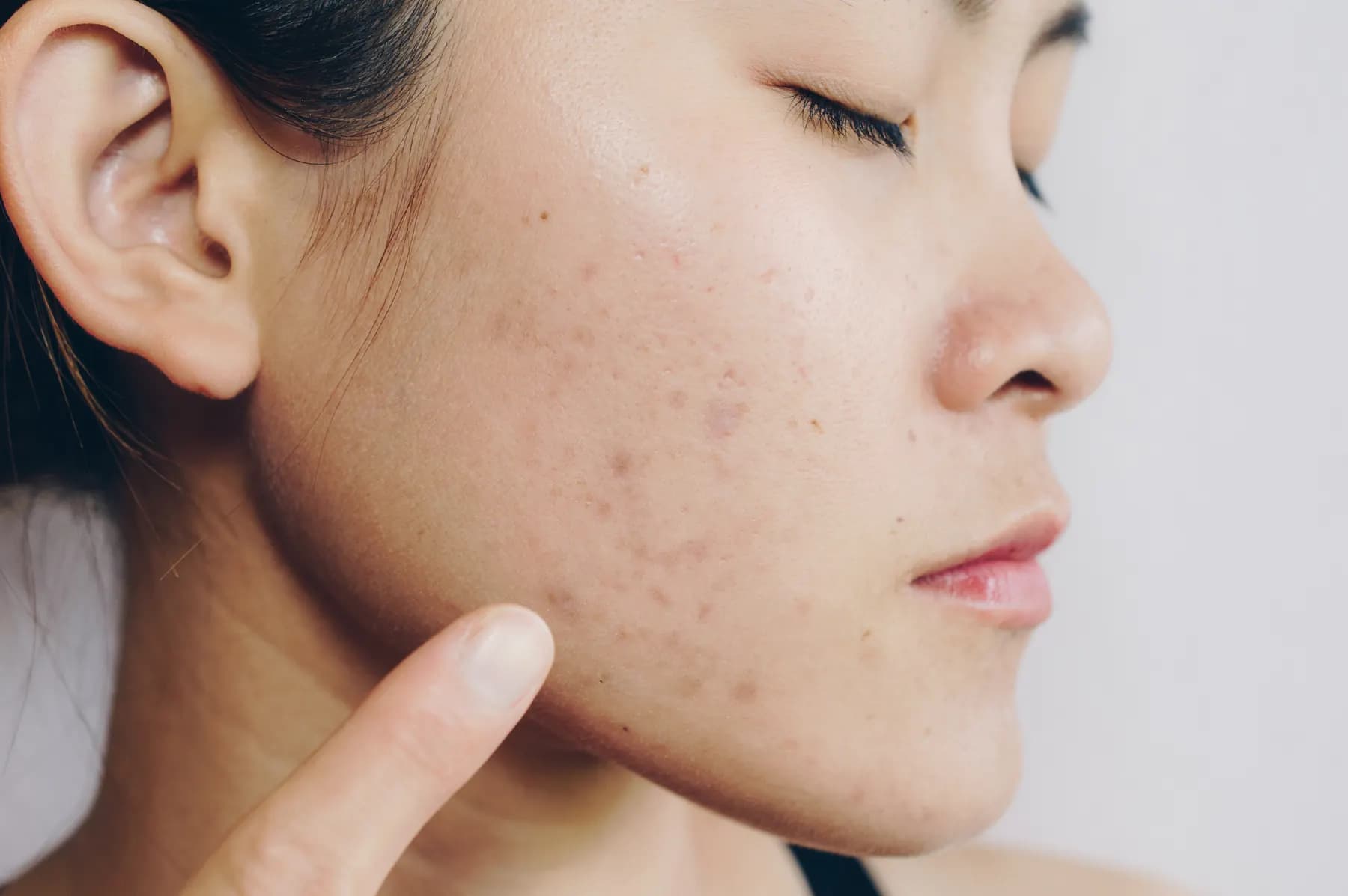
Scars fall into two broad groups: depressed scars that sit below the skin surface and raised scars that sit above it. Acne usually causes depressed scars, while injuries and surgery can cause either type. Scar type guides the choice of treatment, so a professional assessment comes first.
Ice Pick, Boxcar and Rolling Acne Scars
Ice pick, boxcar, and rolling scars are depressed (atrophic) acne scars. Ice pick scars are narrow and deep. Boxcar scars are wider with sharp edges. Rolling scars have sloping edges that give skin a wavy look. Ice pick acne scar treatment, boxcar acne scar treatment, and rolling acne scar treatment each use different techniques.
Raised, Hypertrophic and Keloid Scars
Raised scars form when the skin makes too much collagen while healing. Hypertrophic scars stay within the original wound area and may flatten over time. Keloids grow beyond the wound edges and can keep growing. Hypertrophic scar treatment and keloid scar treatment often include steroid injections, silicone, laser, or other medical care.
Surgical, Injury and Other Scars
Surgical and injury scars form after cuts, burns, procedures, or other wounds. They can be flat, raised, depressed, wide or tight. Some improve with lasers or injections, while others may benefit from surgical scar revision to change the scar's shape, width, or direction.
Treatment Options for Acne Scars and Scarring
Treatment options for acne scars include laser resurfacing, microneedling, chemical peels and surgical procedures, often combined. The right plan depends on scar type, skin tone, downtime, and budget. Treatment can improve scar appearance but usually does not erase them.
Laser Resurfacing
Acne scar laser treatment uses ablative or non-ablative fractional lasers to stimulate new collagen and smooth texture. Ablative lasers, such as CO2, offer larger change with one to two weeks of healing. Non-ablative lasers need more sessions with less downtime. Some lasers carry a higher risk of dark spots in medium and darker skin tones, so ask about experience with your skin type.
Microneedling and Related Procedures
Microneedling for acne scars creates tiny controlled injuries that prompt collagen production, and it is often used for rolling and boxcar scars. SkinPen® is FDA-cleared to improve the appearance of facial acne scars in adults 22 and older. RF microneedling adds heat for deeper treatment. Most people need three or more sessions. Because microneedling works without heat, it generally carries a lower risk of pigmentation changes than heat-based lasers, which is why it is often considered for darker skin tones. The risk is not zero, and RF microneedling adds heat, so settings matter.
Chemical Peels and Other Skin Treatments
Chemical peels remove outer layers of skin to improve texture and discoloration, and stronger peels can soften shallow scars. The TCA CROSS technique places a high-strength acid inside ice pick scars. Dermal fillers can temporarily lift some rolling scars. Peels also carry a risk of pigment changes in darker skin.
Scar Revision and Other Medical Procedures
Scar revision and other medical procedures target scars that do not respond to surface treatments. Subcision releases the bands that pull rolling scars down. Punch excision removes deep ice pick or boxcar scars. Surgical scar revision changes the shape of a scar. Steroid injections can flatten raised and keloid scars.
How Much Does Acne Scar Treatment Cost?
Acne scar treatment cost depends on the procedure, the number of sessions, and the size of the area treated. The American Society of Plastic Surgeons reports a national average physician fee of $1,829 in 2023 for skin resurfacing, a category that includes lasers, chemical peels, and dermabrasion, and $715 for hyaluronic acid filler. No national average is reported for microneedling or scar revision. Fees vary by location and provider, and surgical procedures may add anesthesia and facility costs. Cosmetic acne scar treatment is usually not covered by insurance, though some scar revision after injury may be. Ask for the total cost of your full treatment plan.
To estimate your total, multiply the price per session by the number of sessions in your plan. Most acne scar plans need three or more sessions, and many providers offer package pricing for a series. When you compare providers, ask about:
- The price per session and whether a package lowers it
- How many sessions they expect for your scar types
- Whether numbing, aftercare products and follow-up visits are included
- Costs for combined treatments, such as subcision with laser or microneedling
- Whether any part of your treatment could qualify for insurance coverage
How to Choose a Scar Treatment Specialist
Choose a scar treatment specialist who identifies your scar types before recommending treatment. Look for:
- A board-certified dermatologist, plastic surgeon, or trained provider under medical supervision
- Experience treating your scar type and skin tone
- Access to more than one treatment, so the plan fits your scars
- Before-and-after photos of their own patients, shared with consent
- Honest expectations about how much improvement is realistic
What to Ask Before Scar Treatment
Ask questions before scar treatment so you understand the plan, risks, and likely results.
- What types of scars do I have, and which treatments suit them?
- How many sessions will I need, and what is the total cost?
- How much downtime should I expect after each session?
- What is the risk of dark spots or other pigment changes for my skin tone?
- How much improvement is realistic for me?
- Does my acne need to be under control before we start?
Smoother-looking skin starts with knowing your scar types and choosing a specialist who can treat them. Compare acne scar specialists near you and book a consultation to build a plan that fits your skin.
Compare Acne Scar Treatment SpecialistsFrequently asked questions
Can acne scars be removed completely?
Acne scar removal usually improves scars rather than erasing them. Most treatments soften depth, smooth texture and make scars less noticeable. Results depend on scar type, depth, and how many sessions you have. A specialist can give you a realistic estimate of improvement for your skin.
Which acne scar treatment works for my scars?
No single acne scar treatment works for every scar. Ice pick scars may need TCA CROSS or punch excision, rolling scars often respond to subcision or microneedling, and boxcar scars may improve with lasers. Many people see more improvement from a combination planned by a specialist.
Is microneedling or laser better for acne scars?
Both can help, and the right choice depends on your scars, skin tone, and downtime. Microneedling generally carries a lower risk of pigment changes and has shorter recovery. Lasers may produce more change per session for some scars. A specialist can recommend one or a combination.
How many sessions does acne scar treatment take?
Most people need three to six sessions, though it varies by treatment and scar severity. Microneedling and non-ablative lasers usually take a series spaced several weeks apart. Ablative laser or surgical procedures may need fewer sessions with more recovery. Collagen continues building for months afterward.
Can people with darker skin get acne scar treatment?
Yes, people with darker skin can get acne scar treatment with the right approach. Some lasers and strong peels carry a higher risk of dark spots in medium and darker skin tones. Microneedling and certain lasers may be safer options. Choose a provider experienced with your skin tone.
How is a keloid scar treated?
Keloid scar treatment often starts with steroid injections to flatten the scar and reduce itching. Silicone sheets, laser, freezing, and surgery combined with other therapy may also be used. Keloids can return after treatment, so ongoing follow-up with a dermatologist is common.
Does insurance cover acne scar removal?
Insurance usually does not cover acne scar removal because most plans consider it cosmetic. Exceptions are uncommon and may apply to scars that cause functional problems or to certain reconstructive procedures. Ask your insurer before treatment, and get a written estimate from your provider so you know what you would pay out of pocket.
What is the best treatment for deep acne scars?
No single treatment is right for everyone; deep acne scars usually need a plan matched to the scar type. Deep scars often respond to a combination of treatments, such as ablative fractional laser resurfacing, RF microneedling, subcision for rolling scars, and TCA CROSS or punch excision for deep ice pick scars. A dermatologist can assess your scars and recommend a plan. Treatment can improve deep scars, but it rarely removes them completely.
Compare Acne Scar Treatment Specialistsnear you
Search Medspa Maps to find and compare licensed practices, read real patient reviews, and book directly with the provider.