
At a glance
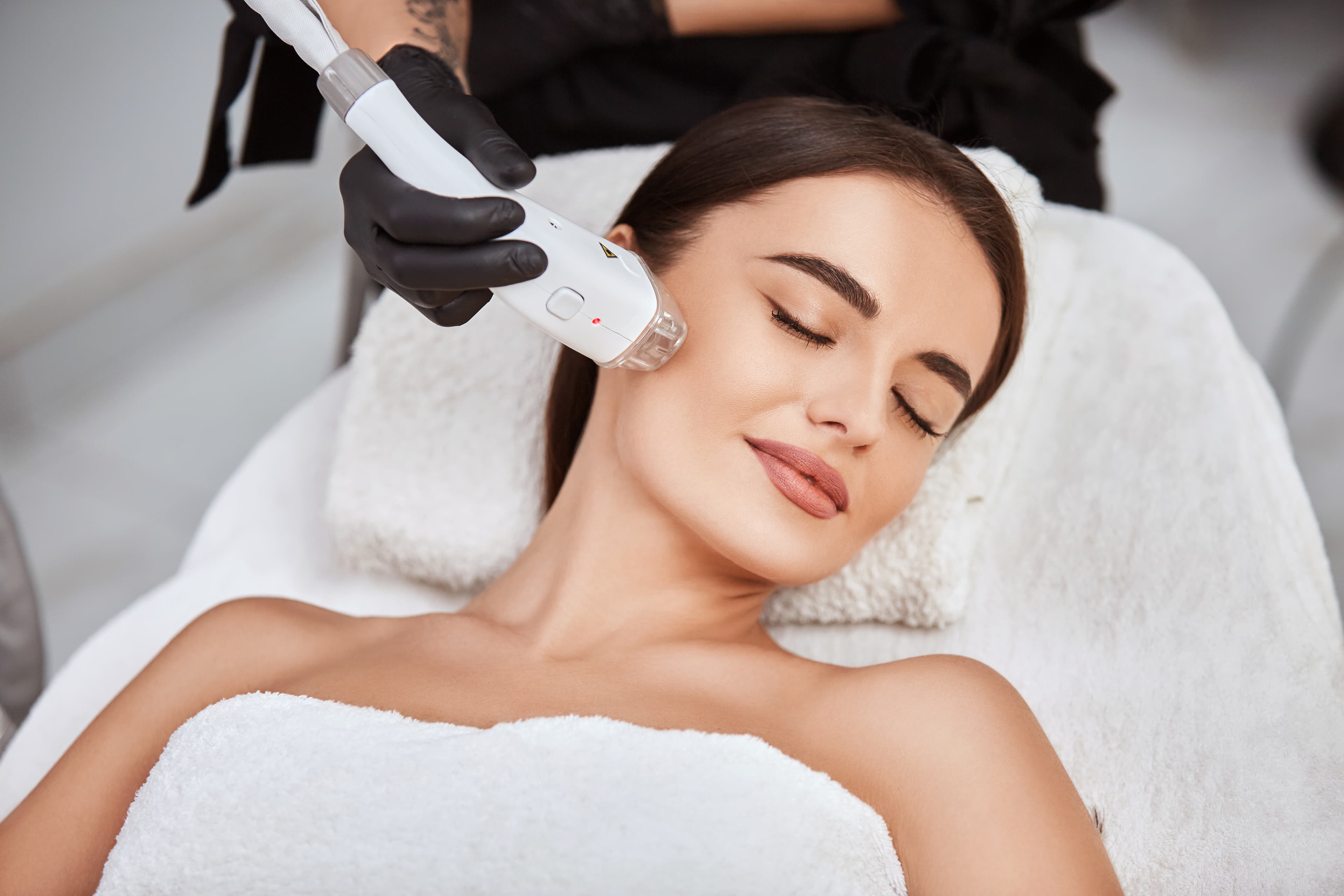
- Laser skin treatment is an umbrella term for several technologies that improve tone, texture, pigmentation, redness, and aging.
- IPL and BBL use broadband light (not a true laser) and are best for sunspots, redness, and tone.
- Resurfacing lasers (ablative and fractional) remodel the skin's surface for wrinkles, texture, and scars.
- Non-ablative options like Laser Genesis are gentle with little to no downtime.
- Device choice and settings matter greatly for darker skin tones, so provider expertise is essential.
- Use Medspa Maps to find and compare laser providers near you.
What are laser skin treatments?
Laser skin treatment is an umbrella term for a range of light- and laser-based procedures that improve skin tone, texture, pigmentation, redness, and signs of aging. They fall into two big splits: true lasers versus intense pulsed light (IPL and BBL), and ablative versus non-ablative.
Understanding those splits is the key to the confusing acronym soup. Ablative devices remove the outer layers of skin for more dramatic results and more downtime, while non-ablative devices heat the deeper skin without wounding the surface, trading intensity for a faster recovery.
IPL and BBL aren't true lasers; they're intense pulsed light. That distinction matters, because light-based treatments and lasers target somewhat different concerns.
What are the main types of laser and light treatments?
The most common options are IPL and BBL for tone and redness, fractional and ablative resurfacing for texture and wrinkles, and gentle non-ablative lasers like Laser Genesis for maintenance and glow.
| Treatment | Type | Best for | Downtime |
|---|---|---|---|
| IPL / BBL | Intense pulsed light | Sunspots, redness, tone | Minimal |
| Fraxel | Fractional laser | Texture, fine lines, scars | 2–7 days |
| CO2 / erbium | Ablative laser | Deep wrinkles, scars, sun damage | 1–2+ weeks |
| Laser Genesis | Non-ablative laser | Redness, pores, fine lines, glow | None |
| Nd:YAG / Pico | Laser | Pigment, redness, tattoo removal | Minimal |
Which laser is best for my concern?
The right device depends on what you are treating: IPL or BBL for sunspots and redness, fractional or ablative resurfacing for wrinkles and scars, and gentle non-ablative lasers for fine lines and overall glow.
- Sunspots and pigmentation: IPL or BBL, or pigment-specific lasers.
- Redness and rosacea: IPL/BBL and non-ablative lasers.
- Wrinkles and texture: fractional or ablative resurfacing.
- Acne scars: fractional and ablative resurfacing.
Are laser treatments safe, especially for darker skin?
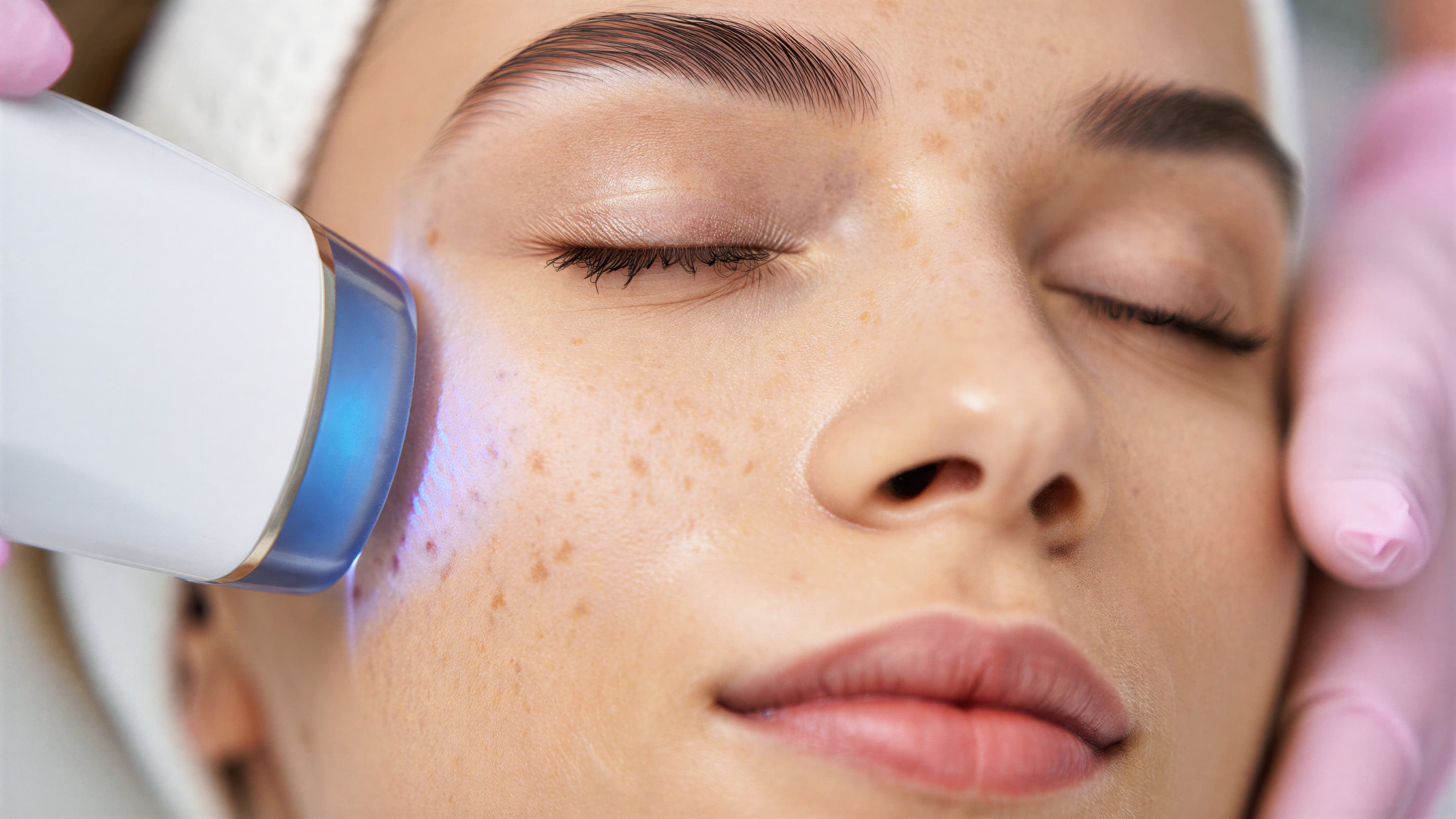
Laser treatments are generally safe with the right device and settings, but safety for darker skin tones depends heavily on the technology used. Some lasers and settings are safer for deeper skin tones, while aggressive IPL and ablative treatments carry more risk of burns or pigment change.
This is why provider expertise is so important. An experienced provider who treats your skin type and chooses appropriate devices and settings is the single best safeguard.
What to look for in a provider
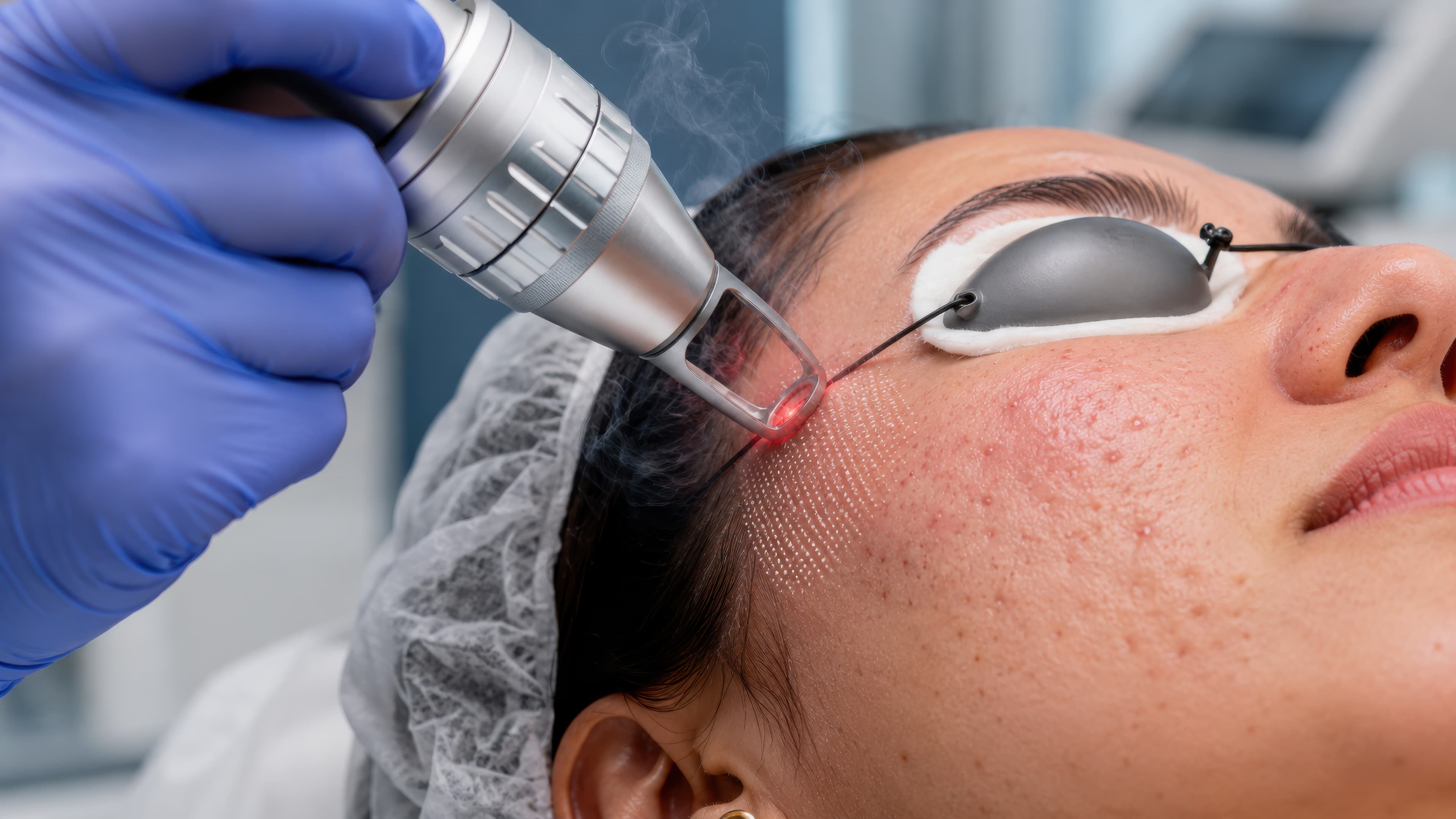
Because clinics carry different devices and outcomes depend on skill, choose a provider based on their equipment, experience, and expertise with your skin type. Ask what device they use and why.
- The right devices: clinics vary; make sure they have the technology for your concern.
- Experience with your skin type: especially important for deeper skin tones.
- Medical oversight: lasers are powerful; qualified, supervised operators matter.
- A real consultation: they assess your skin and set realistic expectations.
- Reviews: consistent, credible results from other patients.
Looking for a Laser Treatments provider?
Find laser providers near youFrequently asked questions
What do laser skin treatments do?
Laser and light-based treatments use focused energy to improve skin tone, texture, pigmentation, redness, and signs of aging. Different devices target different concerns, from sun spots and redness to wrinkles and scars.
Is IPL a laser?
No. IPL (intense pulsed light) and BBL use broadband light rather than a single-wavelength laser beam. They are popular for sun spots, redness, and overall tone, and work differently from true lasers.
How many laser sessions will I need?
Gentler treatments like IPL and Laser Genesis are usually done in a series of several sessions, while a single ablative resurfacing treatment can deliver dramatic results with more downtime. Your provider will recommend a plan.
How much do laser treatments cost?
Costs vary widely by the device, the intensity, and your provider and location. Lighter treatments are generally more affordable than full ablative resurfacing. A consultation gives you an accurate quote.
Are laser treatments safe for dark skin?
Some are and some are not. Wavelength and settings are critical; certain lasers like Nd:YAG and conservative settings can be safer for deeper skin tones, while aggressive IPL and ablative treatments carry more risk. Provider expertise is essential.
How long is the downtime after laser?
Downtime scales with intensity, from essentially none for IPL and Laser Genesis to a week or more for fully ablative CO2 resurfacing.
Find laser providers near you
Search Medspa Maps to find and compare licensed practices, read real patient reviews, and book directly with the provider.