
At a glance
- Spider veins and varicose veins are enlarged, visible veins, most often on the legs.
- Spider veins are small and usually cosmetic; varicose veins are larger, raised, and can cause aching or heaviness.
- Common treatments include sclerotherapy and laser for spider veins; larger varicose veins may need a vein specialist.
- Persistent pain, swelling, or skin changes should be evaluated by a medical provider, as varicose veins can signal an underlying vein condition.
- Compression stockings and lifestyle measures can help manage symptoms.
- Use Medspa Maps to find and compare vein treatment providers near you.
What causes varicose and spider veins?
Varicose and spider veins form when the tiny one-way valves inside veins weaken or fail, allowing blood to pool and the veins to enlarge and become visible near the skin’s surface. The legs are most commonly affected because they bear the most pressure.
Common risk factors include family history, age, pregnancy, hormonal changes, prolonged standing or sitting, and carrying extra weight. Women are affected more often than men.
Spider veins vs. varicose veins: what’s the difference?
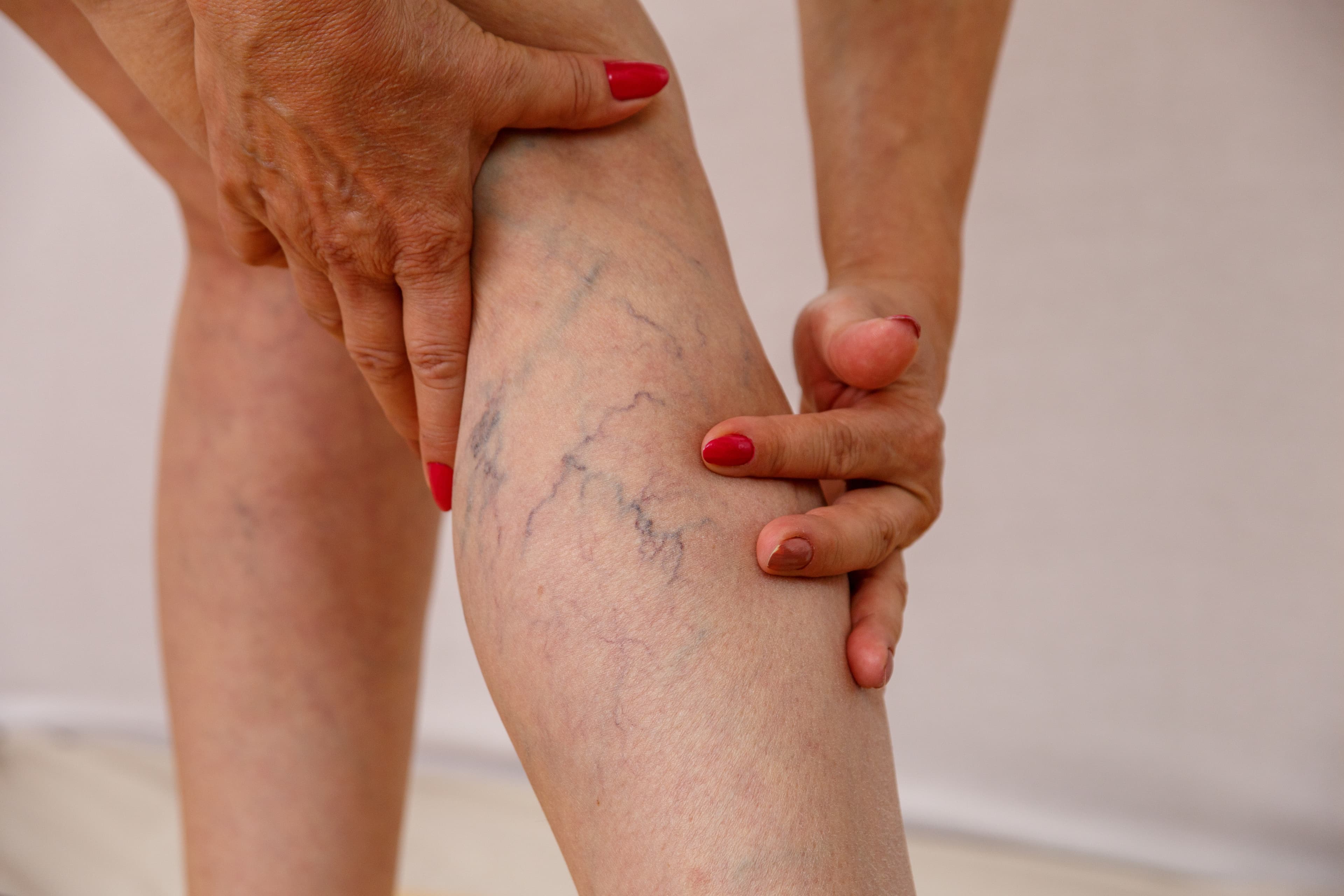
Spider veins are small, thin, red or blue web-like veins near the surface and are usually a cosmetic concern. Varicose veins are larger, raised, and rope-like, and can cause symptoms like aching, heaviness, throbbing, or swelling.
Because varicose veins can sometimes reflect a medical vein condition, symptoms like pain, swelling, or skin changes deserve evaluation by a vein specialist rather than treatment as a purely cosmetic issue.
Spider veins are small and usually cosmetic, while varicose veins are larger and can cause aching or heaviness that may point to an underlying vein condition.
What treatments are available for veins?
For cosmetic spider veins, the most common treatments are sclerotherapy and laser vein treatment. Larger varicose veins and symptomatic veins are treated by vein specialists with procedures such as endovenous laser or radiofrequency ablation.
A qualified provider will confirm which type of veins you have and whether your case is cosmetic or medical before recommending treatment.
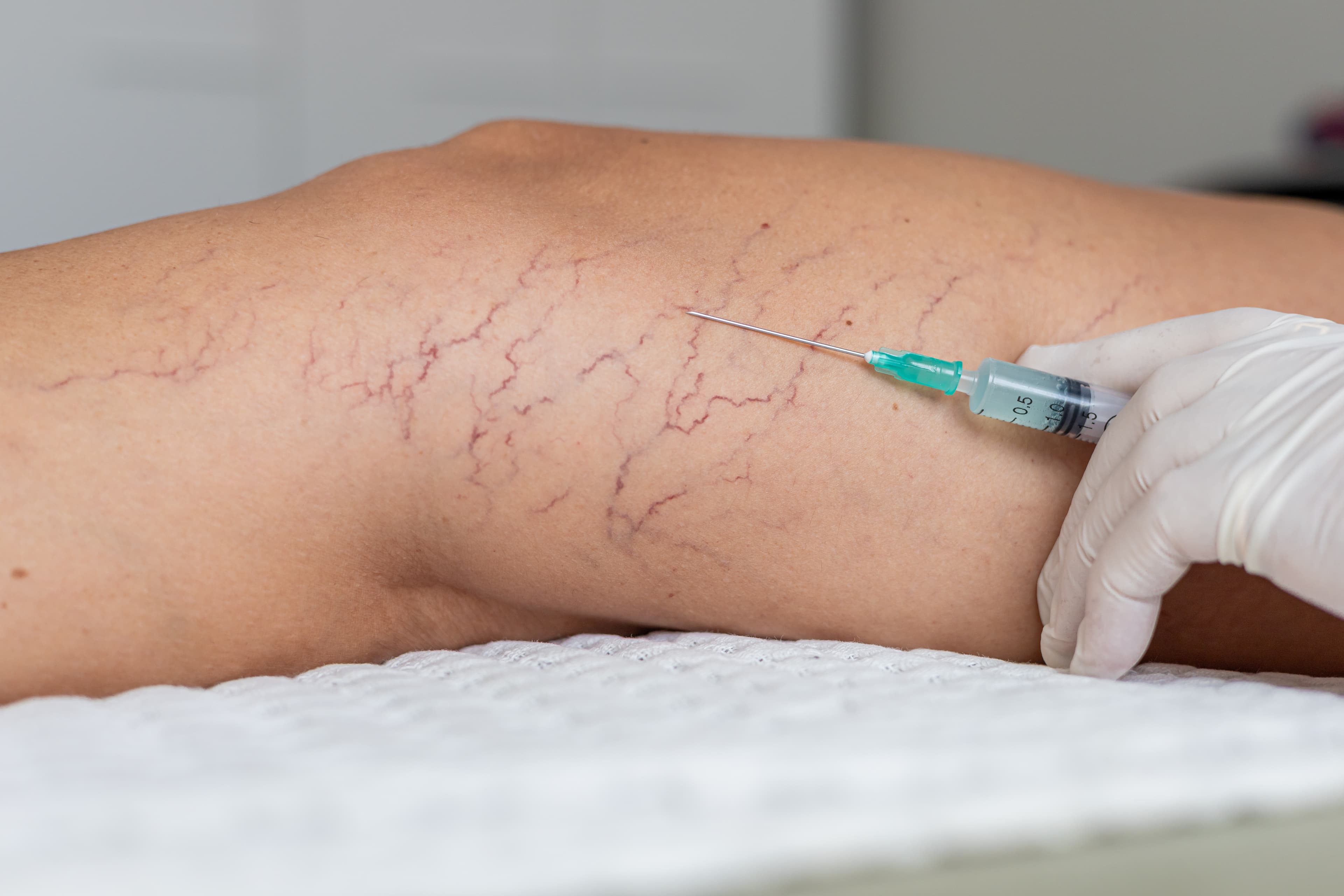
- Sclerotherapy: a solution is injected into spider or small varicose veins, causing them to close and fade.
- Laser vein treatment: targeted light closes small surface veins, often used on tiny spider veins.
- Endovenous ablation: a minimally invasive procedure for larger varicose veins, done by a vein specialist.
- Compression and lifestyle: stockings, movement, and leg elevation help manage symptoms.
When are veins a medical issue?
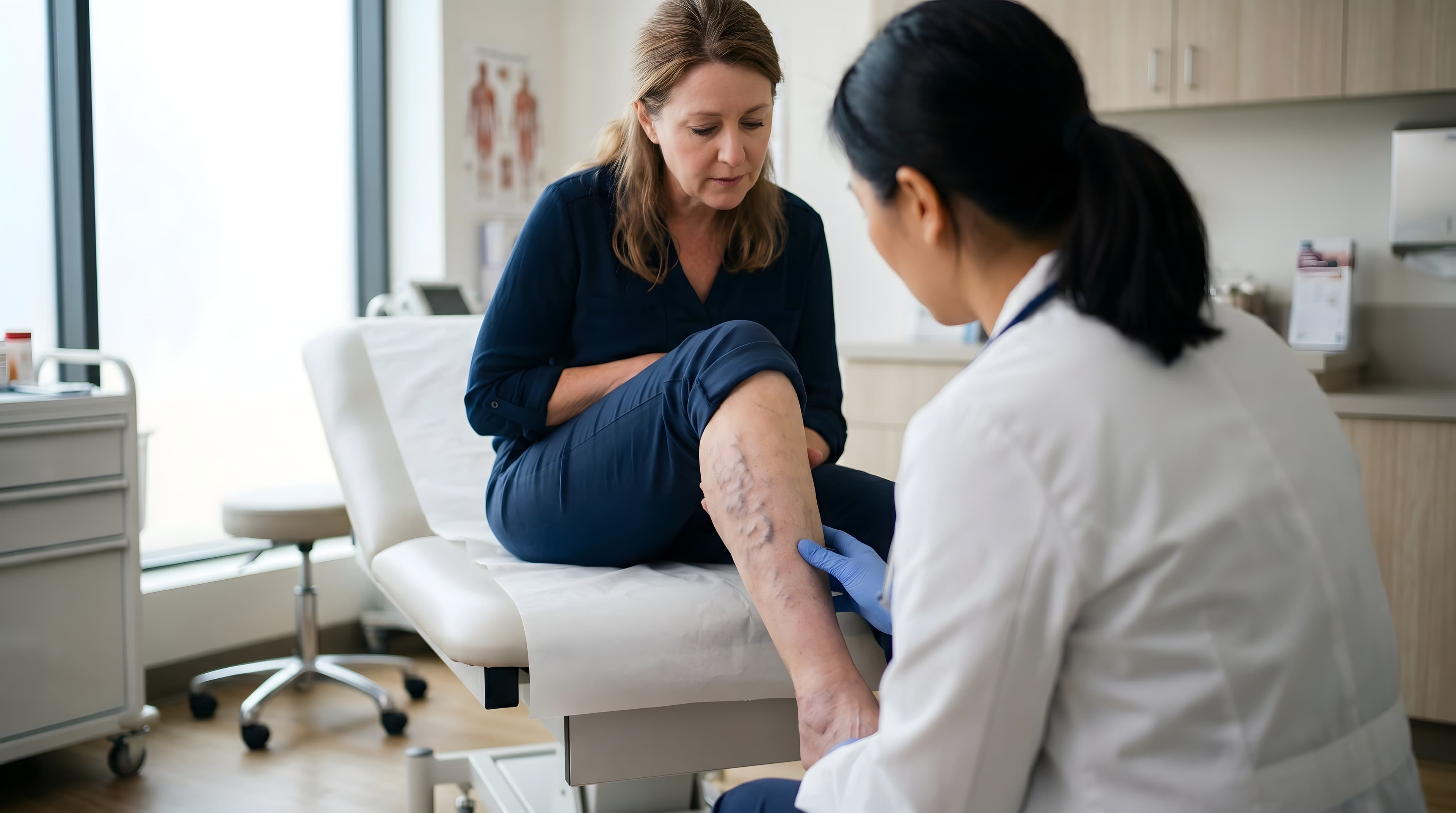
Veins become a medical concern, not just a cosmetic one, when they cause symptoms such as persistent aching, heaviness, swelling, cramping, skin discoloration, or open sores. These can indicate an underlying vein condition that needs medical evaluation.
If you have these symptoms, a vein specialist (a phlebologist or vascular physician) can assess circulation and recommend appropriate treatment, which may differ from cosmetic vein care.
What to look for in a provider
For cosmetic spider veins, look for a licensed medical provider experienced in sclerotherapy or laser vein treatment. For larger or symptomatic varicose veins, choose a board-certified vein specialist or vascular physician.
- The right specialist: a vein specialist for varicose or symptomatic veins; a qualified provider for cosmetic spider veins.
- Proper evaluation: they assess whether your veins are cosmetic or medical before treating.
- Experience: a track record with the specific treatment you need.
- Clear expectations: they explain that results build over time and may need more than one session.
- Reviews: consistent, credible feedback.
Looking for a provider who treats veins?
Find vein-treatment providers near youFrequently asked questions
What causes varicose and spider veins?
They form when the small valves inside veins weaken, allowing blood to pool and the veins to enlarge and become visible. Risk factors include genetics, age, pregnancy, prolonged standing, and being overweight.
Are spider veins the same as varicose veins?
No. Spider veins are small, thin, web-like veins near the skin’s surface and are usually a cosmetic concern. Varicose veins are larger, raised, and rope-like, and can cause aching, heaviness, or swelling, sometimes signaling an underlying vein condition.
Can a medspa treat veins?
Many medspas treat cosmetic spider veins with sclerotherapy or laser. Larger varicose veins and any veins causing pain or swelling are best evaluated by a vein specialist (a phlebologist or vascular doctor), since they may indicate a medical condition.
Does sclerotherapy work for spider veins?
Sclerotherapy is a well-established treatment for spider veins and small varicose veins. A solution is injected into the vein, causing it to close and fade over time. Most people need more than one session, and results vary.
Is vein treatment covered by insurance?
Purely cosmetic vein treatment is usually not covered, while treatment for medically necessary varicose veins that cause symptoms sometimes is. Coverage depends on your plan and diagnosis, so check with your provider and insurer.
How can I prevent varicose and spider veins?
You cannot always prevent them, but staying active, maintaining a healthy weight, elevating your legs, avoiding long periods of standing or sitting, and wearing compression stockings can help reduce risk and ease symptoms.
Find vein-treatment providers near you
Search Medspa Maps to find and compare licensed practices, read real patient reviews, and book directly with the provider.