
Medically reviewed by: [Reviewer name, credentials, to be confirmed] | Last reviewed: [Review date, to be confirmed] | Last updated: October 27, 2026
This page summarizes information from FDA clearance and approval announcements and from the American Society of Plastic Surgeons. Sources are listed at the end of the page.
Non-surgical body contouring reduces small, stubborn areas of fat or tones muscle without surgery, and it suits people already close to their goal weight. You may have a spot that has not changed with diet and exercise, like the lower belly, flanks, or under the chin. If you have been searching for body contouring near me, Medspa Maps lets you compare providers who offer CoolSculpting®, Emsculpt NEO®, Kybella® and laser lipo, with listed prices and patient reviews in one place. Most treatments take under an hour with little downtime, and results build over one to three months. The American Society of Plastic Surgeons reports a national average fee of $1,157 for noninvasive fat reduction in 2023.
CoolSculpting vs Emsculpt vs Laser Lipo
These treatments work in different ways: CoolSculpting freezes fat cells, Emsculpt NEO combines heat with muscle stimulation, and laser lipo uses laser energy to target fat.
CoolSculpting
CoolSculpting uses controlled cooling, called cryolipolysis, to damage fat cells, which the body then clears over the following weeks. It is FDA-cleared for reducing fat in specific areas, including under the chin. If you are comparing CoolSculpting near me, ask which applicators the provider uses and how many cycles your area needs. A rare side effect, paradoxical adipose hyperplasia, causes the treated area to grow larger instead of smaller.
Emsculpt NEO
Emsculpt NEO, made by BTL, combines radiofrequency heat with high-intensity electromagnetic muscle stimulation. It is FDA-cleared and is designed to reduce fat and build muscle in areas like the abdomen and buttocks. Sessions feel like warmth plus strong muscle contractions.
Laser Lipo
Laser lipo can mean two different things: a non-invasive laser device applied to the skin, such as SculpSure®, or minimally invasive laser-assisted liposuction done with a small cannula. Ask each provider which one they offer, since recovery, risks, and cost differ.
Kybella for Double Chin: Cost and Results
Kybella is an injectable form of deoxycholic acid that is FDA-approved to improve moderate to severe fat under the chin in adults. It destroys fat cells in the treated area. Many people need two to four sessions spaced about a month apart, and results develop over several weeks after each one. Swelling, numbness, and tenderness under the chin are common and can last days to weeks, so plan around events. Cost depends on how many vials your treatment needs and how many sessions you book, so ask providers for the total estimate.
Body Contouring Cost by Treatment Area
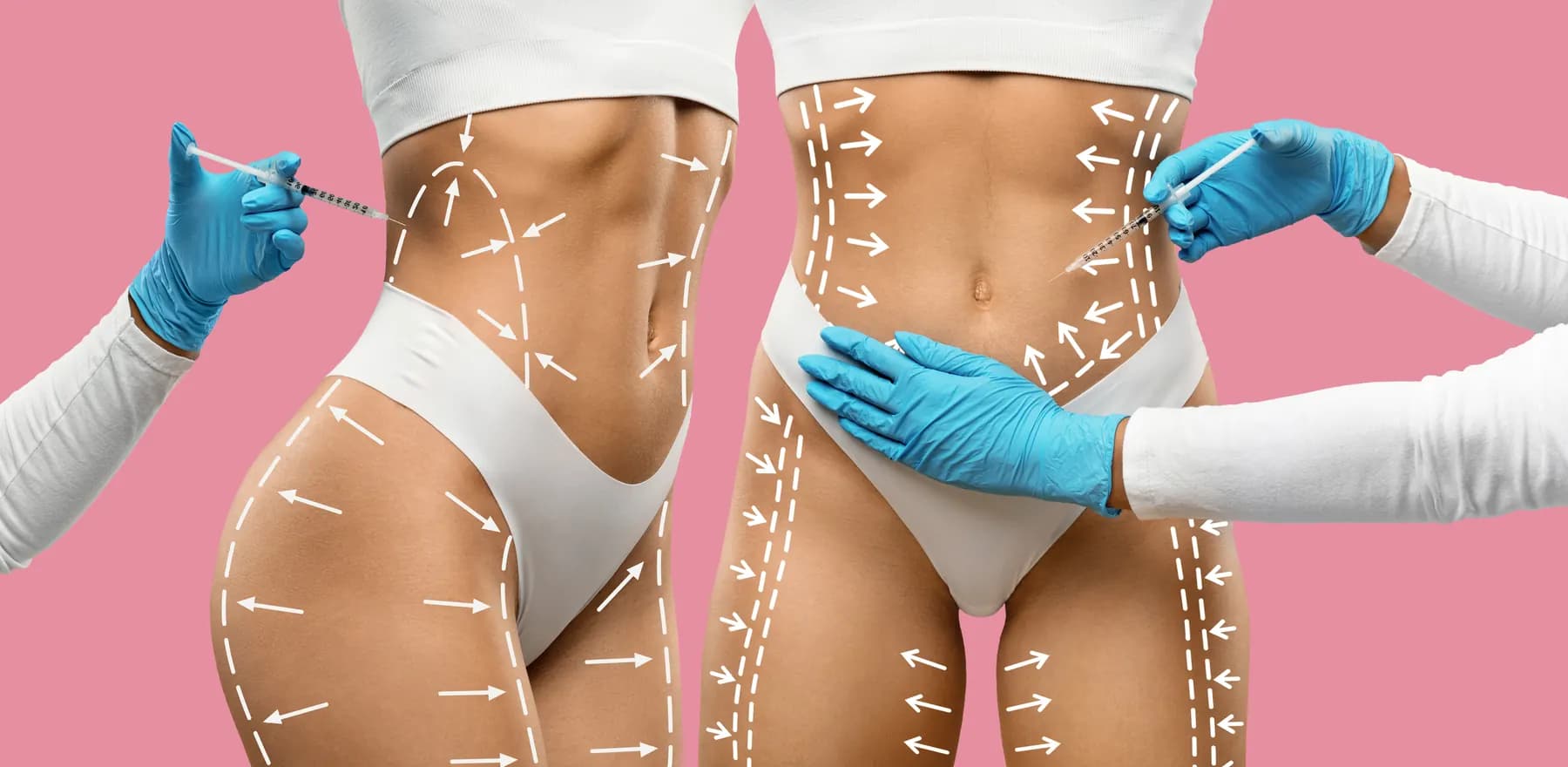
Body contouring cost depends on the treatment area, the device, and how many sessions or cycles you need. The American Society of Plastic Surgeons reports a national average fee of $1,157 for noninvasive fat reduction, a category that includes CoolSculpting, Emsculpt, and Kybella (2023 data).
- Small areas: Under the chin or upper arms usually need fewer cycles or vials.
- Medium areas: Flanks or inner thighs often need one or two cycles per side.
- Large areas: The abdomen or buttocks may need several cycles or a series of sessions.
- Packages: Many providers price by package, which can lower the per-session cost.
Cosmetic body contouring is not covered by insurance. Compare listed prices on Medspa Maps and ask what each quote includes.
Results Timeline and Number of Sessions
Most non-surgical fat removal results appear gradually over one to three months, as the body clears treated fat cells. Many people need more than one session per area. CoolSculpting often shows results around two to three months after treatment, and some areas benefit from a second round. Emsculpt NEO is usually done as a series of sessions about a week apart. Kybella typically takes two to four sessions. Treated fat cells are removed, but remaining fat cells can still grow if you gain weight, so results depend on maintaining a stable weight.

Body Contouring vs Weight Loss: Setting Realistic Expectations
Body contouring is not a weight-loss treatment; it refines specific areas. Good candidates are usually near their goal weight and have pinchable fat in a few stubborn spots. These treatments do not tighten very loose skin and do not replace healthy eating, activity or medical weight-loss care. If you have a large amount of weight to lose, talk with a licensed clinician about medical options first, then consider contouring later for areas that don't respond.
Non-surgical body contouring is generally well tolerated when an FDA-cleared or FDA-approved treatment is performed by a trained, licensed provider, but it is still a medical procedure. Common side effects include redness, swelling, bruising, numbness, and tenderness in the treated area, and swelling under the chin after Kybella can last days to weeks. A rare CoolSculpting side effect, paradoxical adipose hyperplasia, causes the treated area to grow larger instead of smaller and may need surgery to correct. You may need to avoid or delay treatment if you are pregnant, have a cold-related condition such as cryoglobulinemia or cold urticaria (for cryolipolysis), have metal implants or a pacemaker (for some energy-based devices), or have an active skin condition or infection in the area. Ask your provider which FDA clearance or approval covers the device or product they use, and for which body areas.
The right provider will tell you honestly what non-surgical fat removal can do for your goals and build a plan that fits your body and budget. Compare body contouring providers near you and book a consultation.
Compare Body Contouring Providers Near YouFrequently asked questions
Does CoolSculpting permanently remove fat?
CoolSculpting destroys treated fat cells, and the body clears them over several weeks. Those cells do not come back, but the fat cells that remain can grow larger if you gain weight. Results are long-lasting for many people who keep a stable weight. Individual results vary, and some areas need more than one treatment.
CoolSculpting vs Emsculpt: Which should I choose?
Choose based on your goal: CoolSculpting targets fat, while Emsculpt NEO targets fat and muscle. If your main concern is a stubborn pocket of fat, cryolipolysis may fit. If you also want firmer-looking abdominal or buttock muscles, Emsculpt NEO may suit you better. A provider can assess your area and recommend an option.
How much swelling should I expect after Kybella?
Swelling after Kybella is common and can be significant, especially after the first session. It usually peaks in the first few days and settles over one to two weeks, sometimes longer. Bruising, numbness, and tenderness under the chin are also common. Plan treatment well before important events and ask your provider about aftercare.
Who is not a good candidate?
You may not be a good candidate if you have a lot of weight to lose or significant loose skin. People with certain medical conditions also need caution, such as cold-related conditions for cryolipolysis or metal implants and pacemakers for some energy devices. Pregnancy is a reason to wait. A provider should review your health history first.
Can I combine body contouring with a GLP-1?
You can sometimes combine body contouring with GLP-1 medication, but plan it with your prescriber and provider. Many people wait until their weight has stabilized, since ongoing weight loss changes how areas look. Contouring can then address stubborn spots. Your prescriber can advise on timing based on your treatment plan.
What is the difference between non-surgical and surgical body contouring?
Non-surgical body contouring reduces small areas of fat without incisions, while surgical body contouring removes fat or skin in an operating room. Non-surgical options such as cryolipolysis, Kybella, and laser devices usually need several sessions, have little downtime, and produce gradual, modest changes. Surgical options such as liposuction and a tummy tuck remove more fat or excess skin in one procedure, but they require anesthesia and a longer recovery, and they carry surgical risks. The American Society of Plastic Surgeons reports 2023 national average surgeon fees of $4,711 for liposuction and $8,174 for a tummy tuck, compared with $1,157 for noninvasive fat reduction. Surgical fees may not include anesthesia or facility costs.
Is non-surgical body contouring safe?
Non-surgical body contouring is generally considered low risk when an FDA-cleared or FDA-approved treatment is performed by a trained, licensed provider. Common side effects include redness, swelling, numbness, and tenderness that usually fade within days to weeks. Rare risks include paradoxical adipose hyperplasia after cryolipolysis. A provider should review your health history first, since some conditions make certain treatments unsuitable.
Can body contouring help with loose skin after weight loss?
Non-surgical fat reduction does not tighten loose skin, and it can make loose skin more noticeable if fat is removed beneath it. Radiofrequency or ultrasound skin tightening may help mild laxity. Loose skin after major weight loss often needs surgical removal, such as a tummy tuck or body lift. A board-certified plastic surgeon can assess whether surgery is right for you.
Compare Body Contouring Providers near you
Search Medspa Maps to find and compare licensed practices, read real patient reviews, and book directly with the provider.