
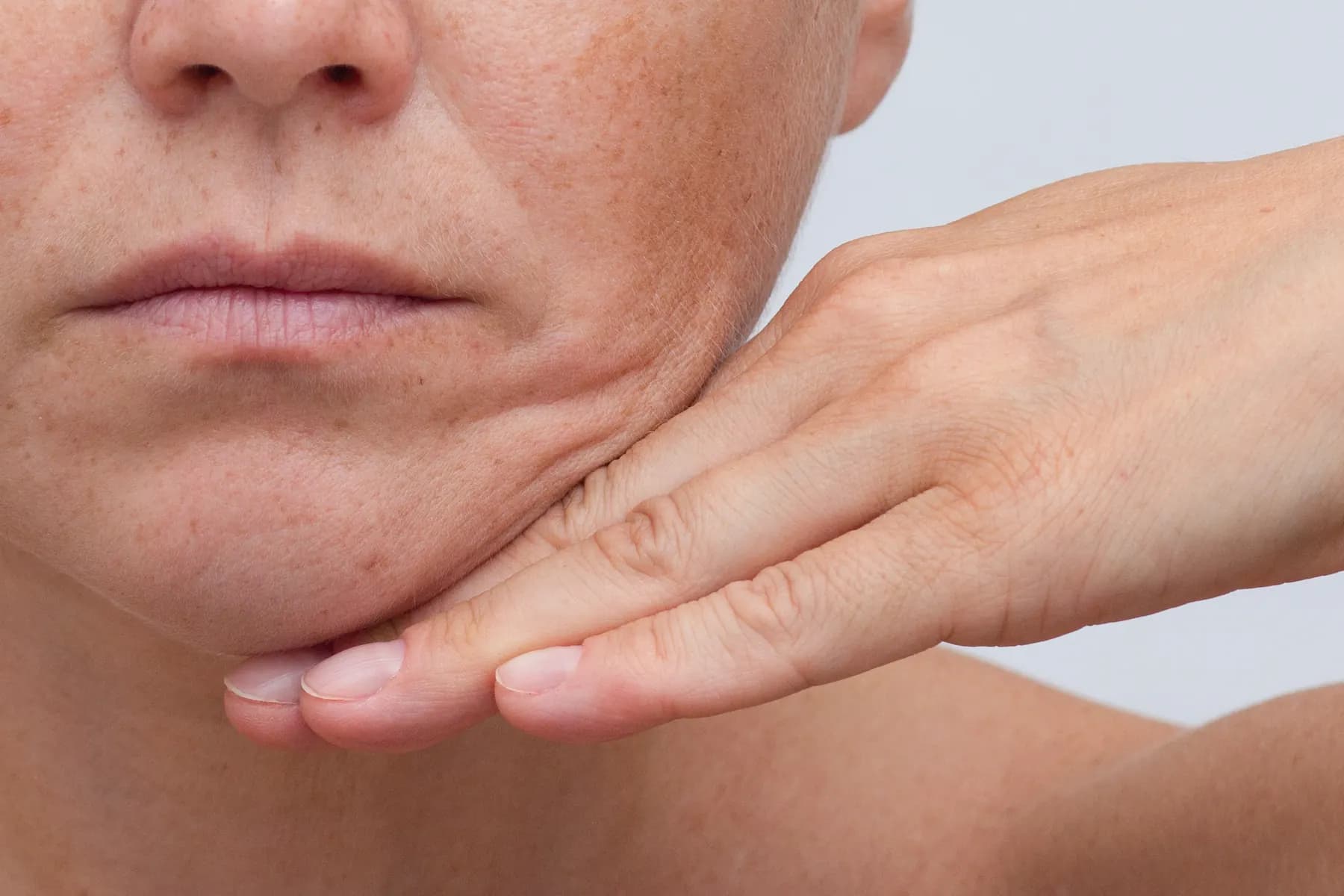
Loose or sagging skin along the jawline, neck, arms, or stomach can make you look older or more tired than you feel, and it is hard to know which treatment fits. Skin tightening treatment ranges from non-surgical radiofrequency and ultrasound to surgery, and the right choice depends on how much loose skin you have and where it is. If you have been searching for skin tightening near me, Medspa Maps lets you compare dermatology, aesthetic, and surgical providers by treatment, body area, recovery time, and listed price. Mild to moderate laxity often responds to energy-based treatments, while larger amounts of excess skin usually need surgery.
Find a Skin Tightening Specialist Near You
Medspa Maps helps you find a skin tightening specialist by showing providers near you side by side. Each listing shows the treatments a practice offers, the provider's credentials and specialty, consultation options, patient reviews, and listed prices, as provided by each practice. Because sagging skin treatment can be non-surgical or surgical, comparing several types of providers helps you see the full range of options before you book a consultation.
Compare Dermatology, Aesthetic and Surgical Providers
Different specialists offer different parts of the treatment range. A skin tightening dermatologist or medical aesthetic provider often offers radiofrequency, ultrasound and laser treatments. A board-certified plastic surgeon can offer both energy-based treatments and surgery, which matters if you may need excess skin removed. Compare each provider's training, the treatments they perform most often, and before-and-after photos of their own patients.
Browse Providers by Treatment Type and Body Area
You can filter providers by the technology they use and the area you want to treat. Search for facial skin tightening, neck skin tightening, or body treatments for the arms, abdomen, or thighs. Listings also show expected recovery and whether a practice offers surgical options, so you can narrow your search to providers who match your goals and the downtime you can take.
What Causes Loose or Sagging Skin?
Loose skin happens when the skin loses collagen and elastin, the proteins that keep it firm and help it spring back. Aging, sun exposure, genetics, smoking, and large changes in weight all reduce how well skin holds its shape. Understanding the cause helps a provider decide whether a skin laxity treatment can help or whether surgery is a better fit.
Age-Related Skin Changes
Skin naturally produces less collagen and elastin with age, so it becomes thinner and less firm over time. Years of sun exposure speed up this process. Facial fat and bone also change with age, which can make cheeks look flatter and skin along the jawline sag into jowls. These changes usually start gradually and become more visible from the 40s onward.
Skin Laxity After Weight Loss
Skin that has been stretched for a long time may not shrink back after major weight loss, including weight loss after bariatric surgery or weight-loss medication. Loose skin after weight loss treatment depends on how much skin is left over. Small amounts may improve with energy-based treatments, while larger folds of excess skin usually need surgical removal. Many surgeons recommend waiting until your weight is stable before surgery.
Facial, Neck and Body Skin Laxity
Laxity shows up differently depending on the area. On the face, it may look like jowls, softer cheek contours, or hooded upper eyelids. On the neck, it can appear as loose skin or bands. On the body, common areas include the upper arms, abdomen, inner thighs and knees. Each area may need a different treatment approach.
Skin Tightening Treatment Options
Skin tightening treatment options fall into two groups: non-surgical energy-based treatments that stimulate collagen, and surgery that removes excess skin. Non-surgical treatments usually work best for mild to moderate laxity, and results build gradually over several months. The right option depends on your skin, the area, your goals, and how much downtime you can take.
Radiofrequency-Based Treatments
Radiofrequency skin tightening uses heat to warm deeper layers of skin and prompt new collagen. Devices such as Thermage® deliver radiofrequency through the skin's surface, while RF microneedling devices deliver it through fine needles for a deeper effect. Many people need one to several sessions, and results develop over two to six months. Redness and swelling are common for a short time afterward.
Ultrasound-Based Treatments
Ultrasound skin tightening uses focused ultrasound energy to heat deeper tissue beneath the skin. Ultherapy® is FDA-cleared to lift the brow and skin on the neck and under the chin, and to improve lines and wrinkles on the décolletage. Treatment can be uncomfortable, so providers often offer pain control. Results appear gradually over two to three months.
Laser and Other Energy-Based Procedures
Some lasers heat or resurface the skin to improve texture and mild laxity. Fractional and ablative lasers can tighten skin slightly while also improving wrinkles and sun damage, though recovery is longer. Lasers are not suitable for every skin type, and some carry a higher risk of pigment changes in darker skin. Your provider should match the device and settings to your skin.
Surgical Options for Excess Skin
Surgery removes excess skin and tightens underlying tissue when there is more laxity than energy-based treatments can address. Options include a facelift, neck lift, upper arm lift, thigh lift, tummy tuck, and lower body lift. Surgery offers more noticeable change but requires anesthesia, longer recovery, and visible scars. A board-certified plastic surgeon can tell you whether you are a candidate.

How Much Does Skin Tightening Cost?
Skin tightening cost depends on whether you choose a non-surgical treatment or surgery. The American Society of Plastic Surgeons reports a 2023 national average physician fee of $2,326 for noninvasive skin tightening. Surgical fees are higher: $11,395 for a facelift, $7,885 for a neck lift, $6,192 for an upper arm lift, $7,641 for a thigh lift, $8,174 for a tummy tuck, and $11,397 for a lower body lift. Surgical fees do not include anesthesia, facility fees, or other costs.
- Treatment type: Surgery costs more than energy-based treatments.
- Number of sessions: Some non-surgical treatments need more than one visit.
- Area size: Larger or multiple areas cost more.
- Location and provider: Prices vary by city and provider experience.
Skin tightening is usually considered cosmetic, so insurance rarely covers it. Removal of excess skin after major weight loss is sometimes covered when it causes medical problems, depending on your plan.
Non-Surgical vs. Surgical Skin Tightening
Non-surgical skin tightening suits mild to moderate laxity, while surgery suits larger amounts of excess skin. Non-surgical treatments involve little downtime and gradual, subtler results, and they may need repeat sessions to maintain. Surgery removes skin directly and offers more noticeable change, but it involves anesthesia, scars, and weeks of recovery. Non-surgical treatments cannot replace surgery in every case. A consultation with providers who offer both approaches can help you weigh results, recovery, and cost honestly.
How to Choose a Skin Tightening Provider
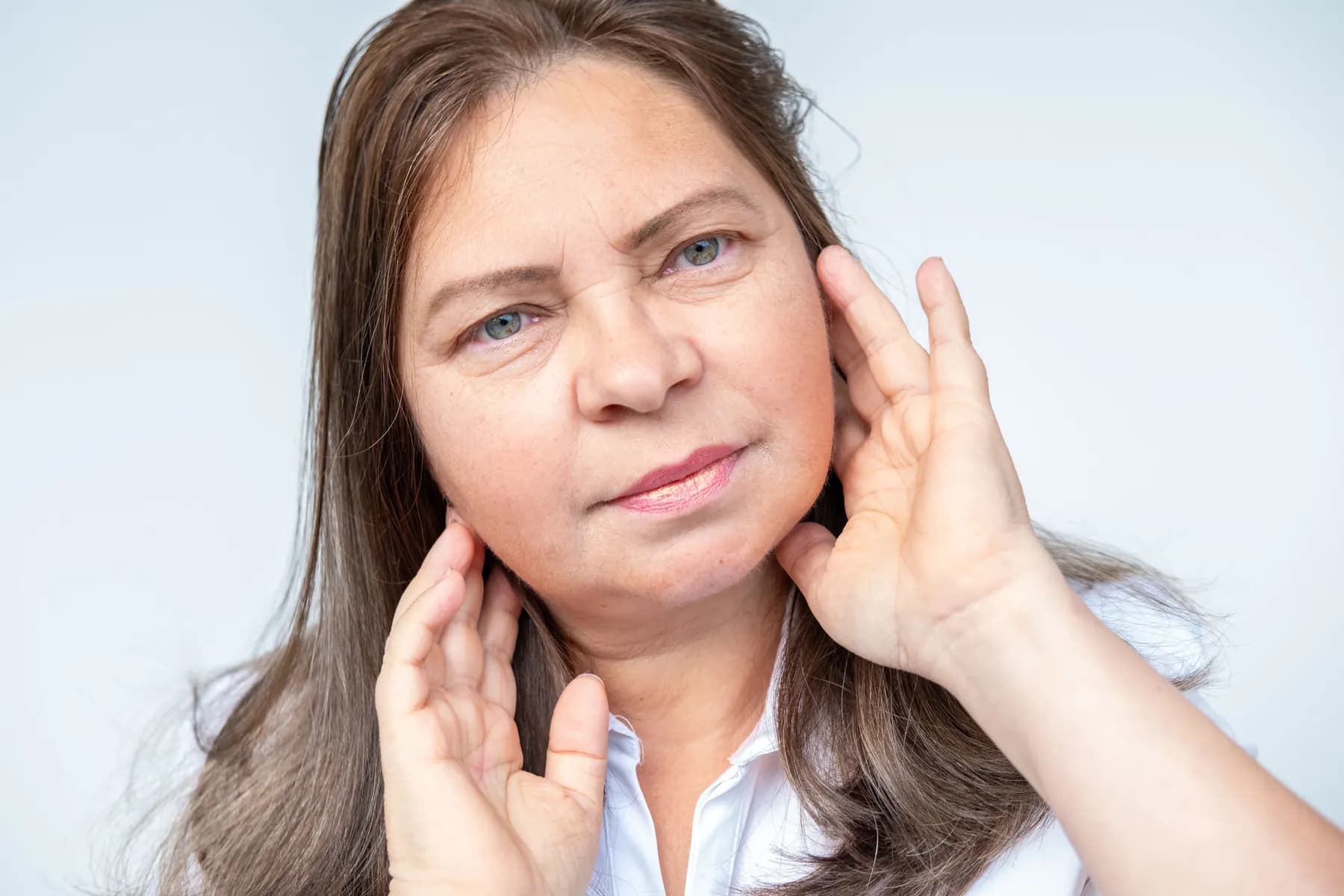
The right provider matches loose skin treatment to how much laxity you have, not to the device they happen to own. Look for:
- A licensed provider with training in the specific device or surgery
- Access to both non-surgical and surgical options, or a willingness to refer you
- Before-and-after photos of their own patients with similar concerns
- A clear explanation of expected results, number of sessions, and recovery
- Experience treating your skin type, especially for laser treatments
- A written quote that lists everything included
Firmer, smoother skin starts with a treatment that fits your skin and your goals. Compare skin tightening providers near you by treatment, recovery, and listed price, then book a consultation to find out which approach is right for you.
Find Skin Tightening Providers Near YouFrequently asked questions
What is the best treatment for sagging skin?
The right sagging skin treatment depends on how much laxity you have. Mild to moderate looseness may improve with radiofrequency, ultrasound, or laser treatments that stimulate collagen. Larger amounts of excess skin usually need surgery, such as a facelift, neck lift, or body contouring procedure. A provider can assess your skin and explain which options are realistic.
Does non-surgical skin tightening work?
Non-surgical skin tightening can improve mild to moderate laxity, but results are modest and vary. Treatments work by stimulating new collagen, so changes appear gradually over two to six months. They do not remove excess skin. Many people choose them to delay or avoid surgery, and some need maintenance sessions to keep results.
How much does skin tightening cost?
The national average fee for noninvasive skin tightening was $2,326 in 2023. That figure from the American Society of Plastic Surgeons covers physician fees only. Your cost depends on the device, area, number of sessions, and location. Surgery costs more and also involves anesthesia and facility fees. Compare listed prices on Medspa Maps for providers near you.
Can loose skin after weight loss be tightened without surgery?
Small amounts of loose skin after weight loss may improve without surgery. Radiofrequency and similar treatments can tighten mild laxity. Large folds of stretched skin usually need surgical removal, such as a tummy tuck, arm lift, or lower body lift. Many surgeons recommend reaching a stable weight before considering surgery.
How long do skin tightening results last?
Non-surgical skin tightening results vary by treatment and by how your skin ages, and they are not permanent. Your skin continues to age, so many people schedule maintenance sessions. Surgical results last longer, though aging continues after surgery too. Sun protection and not smoking help protect your results over time.
Who performs skin tightening treatments?
Skin tightening is performed by licensed medical professionals, and who can perform each treatment varies by state. Dermatologists, plastic surgeons, and trained aesthetic providers commonly offer energy-based treatments. Only surgeons perform skin removal surgery. Ask each provider about their training with the specific device or procedure you are considering.
Find Skin Tightening Providers near you
Search Medspa Maps to find and compare licensed practices, read real patient reviews, and book directly with the provider.